
5-Axis vs 3-Axis CNC Machining: Which to Use
Table of Contents
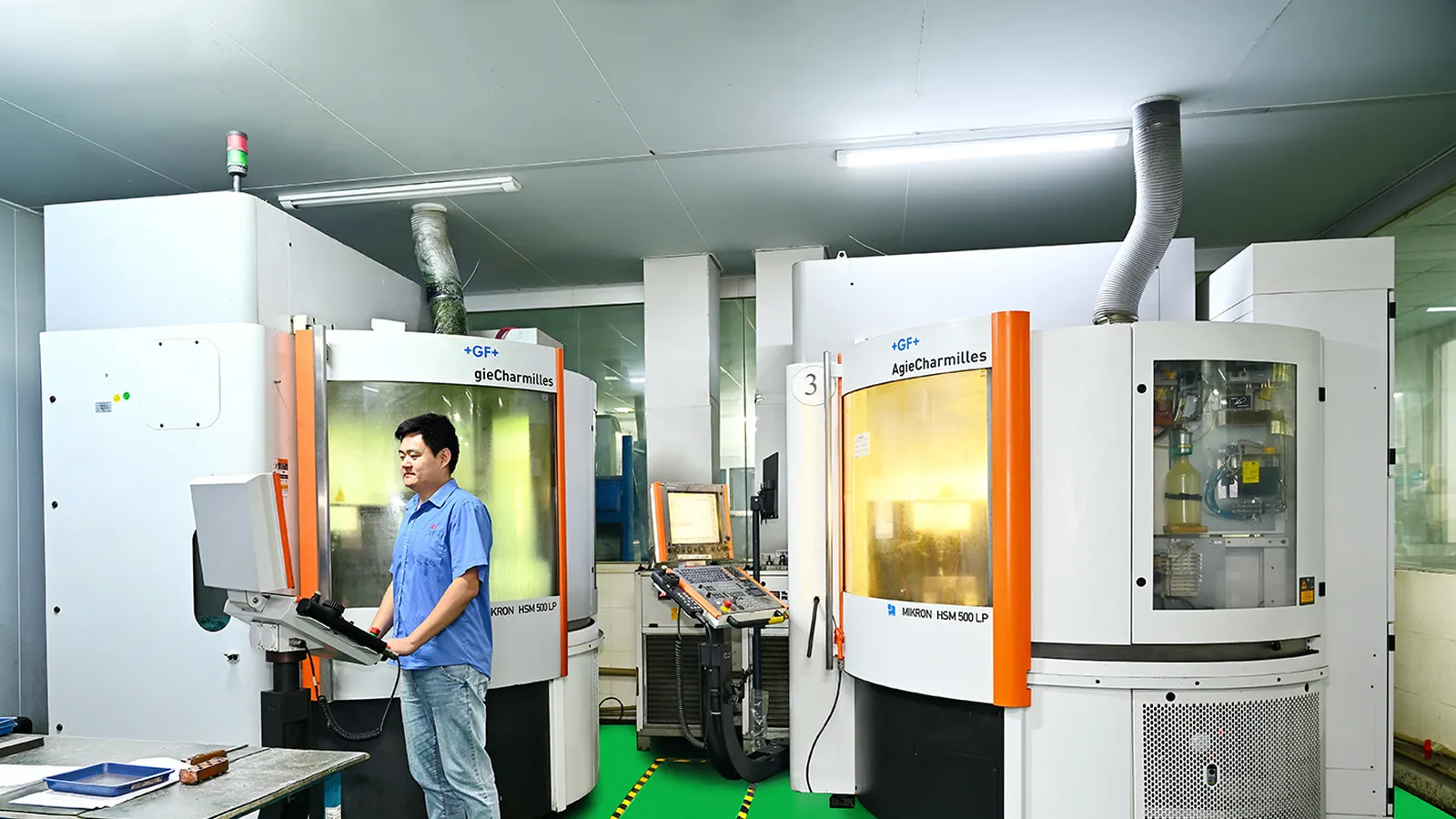
5-axis vs 3-axis CNC machining is a capability decision, not a preference: the two machine types make different kinds of parts, and choosing the wrong one either overpays for simple geometry or under-delivers on complex parts. A 3-axis mill moves the tool in X, Y and Z — the classic vertical mill that cuts from above. A 5-axis mill adds two rotary axes (the table tilts and rotates, or the head does), so the tool can approach the part from any direction without re-fixturing.
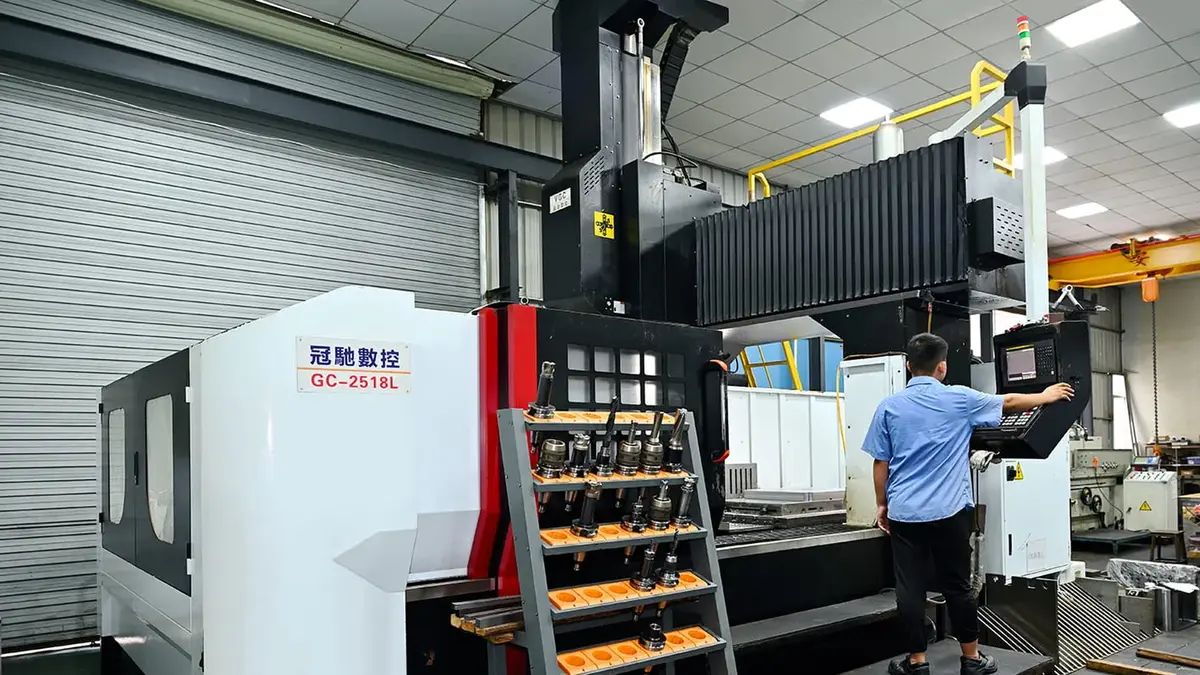
The 3-axis machine is the workhorse: it handles the vast majority of machined parts — plates, brackets, housings, pockets, holes, slots — quickly and economically. Its limit is geometry: any feature that is not accessible from the top requires flipping the part, re-fixturing, and accepting the resulting datum shift. The 5-axis machine removes that limit: complex surfaces, deep undercuts, and parts that would need five separate setups run in one, with better accuracy (no re-fixturing error) and shorter lead time.
When 5-Axis Pays for Itself
5-axis earns its premium in four situations. First, complex freeform geometry: turbine blades, impellers, molds with sculpted cavities — features that simply cannot be cut from one direction. Second, deep and steep walls: tilting the tool keeps the effective flute length short and the tool stiff, which improves finish and avoids chatter. Third, accuracy across features: a part that needs holes and faces on five sides holds better tolerances when machined in one setup — the datum is the machine, not the fixture, and we hold ±0.005 mm on critical features. Fourth, mold making: complex mold cavities with ribs and side actions are cut most reliably on 5-axis, which is why our mold making program uses 5-axis capability for cavity work.
The honest counterweight: for flat parts with features on two faces, 3-axis is faster and cheaper per part. The extra axes add machine cost, programming time and fixturing sophistication — none of which you want to pay for on a simple bracket. The selection rule we use in quoting: if the part fits in a 3-axis setup with two or three flips and the tolerances survive the fixturing, machine it on 3-axis; if the geometry fights the fixture or the accuracy matters across faces, 5-axis is cheaper than the scrap it prevents.
What It Means for Your Quote
On the quote side, the difference shows up in lead time and price: 3-axis work quotes in days; 5-axis work needs more programming and fixture design time. Prototype brackets and housings typically run 3-axis; molds, impellers and medical implants run 5-axis. A good CNC supplier — like our CNC machining line — quotes the right machine for the geometry, not the most impressive one, and says so on the DFM notes. For market context, precision CNC services list both 3-axis and 5-axis capability with tolerances to ±0.005 mm (.
The practical question to ask your supplier: "Which machine will actually cut my part, and why?" If they cannot answer with geometry, they are quoting you a machine they own, not the process your part needs. Send us your part and we will answer that question directly — with a 3-axis price and a 5-axis price where both are viable, so the choice is yours. Contact us to start.
There is also a middle ground worth knowing: 3+2 positioning. A 3-axis machine with a tilting table can lock the part in a tilted position and machine a face that is not accessible from the top — effectively machining "5 sides with 3 axes". The difference from true simultaneous 5-axis is that the tool stays at a fixed angle during each cut, so undercuts and sculpted surfaces still need real 5-axis, but 3+2 handles the vast majority of multi-face prismatic parts at a much lower machine rate. When a supplier quotes "5-axis capability", ask whether it is simultaneous 5-axis or 3+2 — the price difference is significant, and for most parts 3+2 is the honest answer.
Need a quote? Contact us — upload your 3D file for a fast DFM review.
NEXT STEP
Ready to Start Your Project?
Send us your requirements — our team responds within 24 hours with pricing and lead time.
Written by
Ray ChanManufacturing Engineer · Custom Manufacturing Specialist. Ray helps global importers and integrators source factory-direct plastic parts and tooling.