Aerospace Components Manufacturing
Aerospace injection molding demands components that survive temperature swing, vibration, and strict certification. MoldItQuick produces aviation-grade components — aircraft interior parts, ducting, sensor brackets, and test-rig fixtures — with tight-tolerance machining, high-performance polymers, and full material traceability. Where flight-critical certification is required, we partner with certified sub-suppliers; for ground support, test rigs, and non-primary structures we deliver directly.
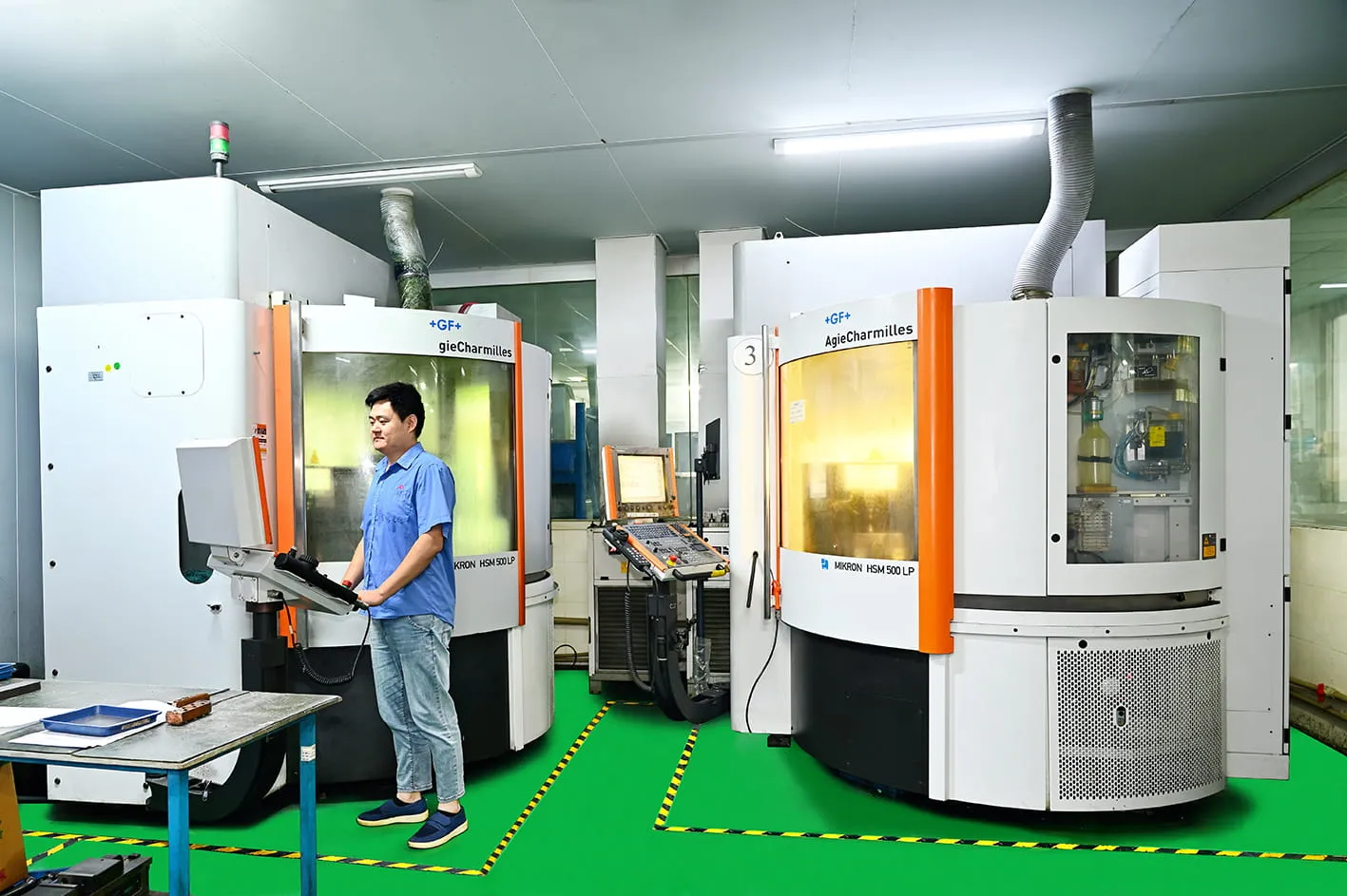
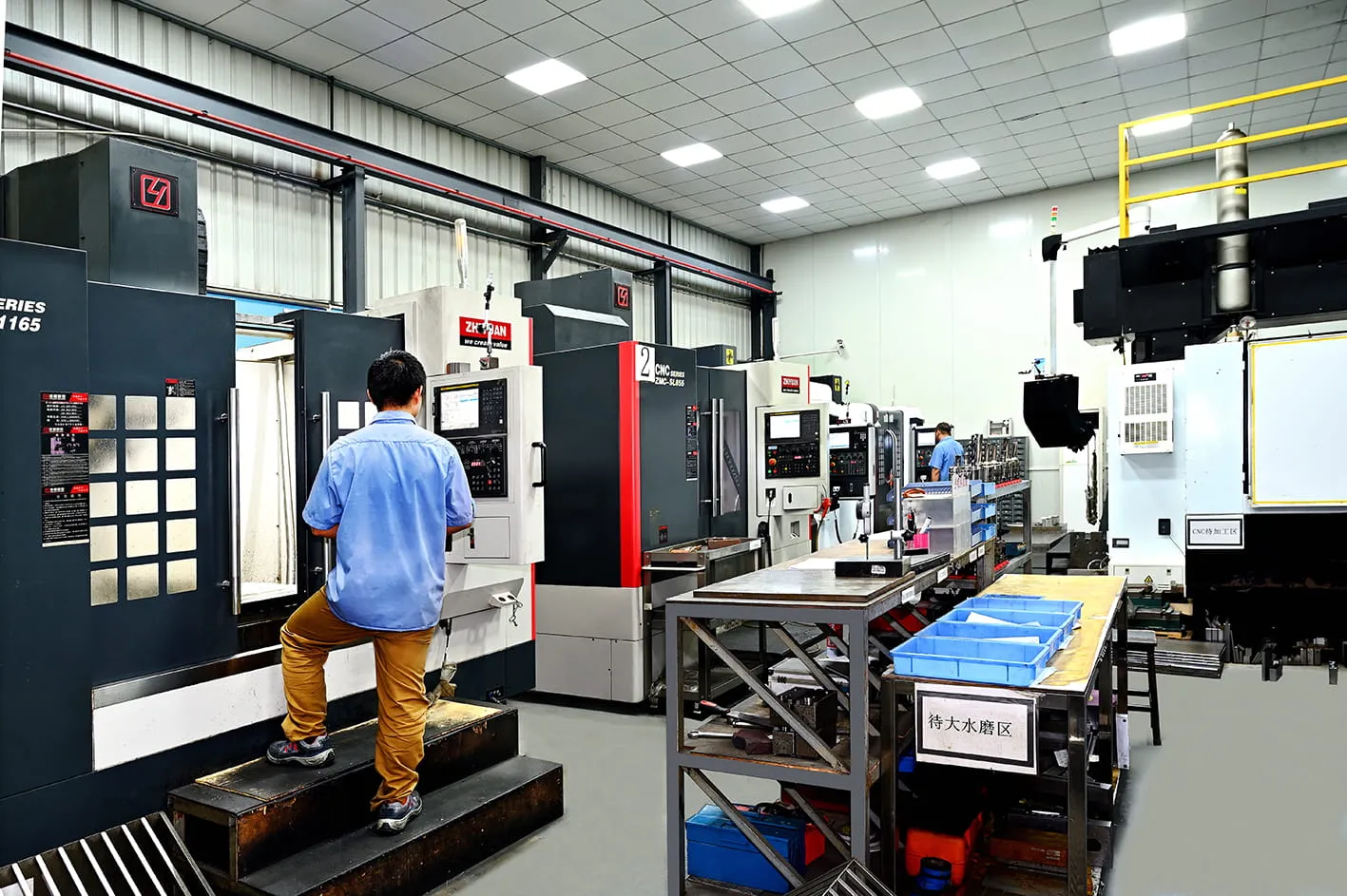
High-speed CNC machining center — tight-tolerance work for aerospace programs.
Why Aerospace Components Manufacturing Uses Custom Manufacturing
Aerospace injection molding demands components that survive temperature swing, vibration, and strict certification. MoldItQuick produces aviation-grade components — aircraft interior parts, ducting, sensor brackets, and test-rig fixtures — with tight-tolerance machining, high-performance polymers, and full material traceability. Where flight-critical certification is required, we partner with certified sub-suppliers; for ground support, test rigs, and non-primary structures we deliver directly.
- Tolerance: ±0.01 mm (5-axis CNC)
- Processes: CNC machining, Injection, Composite tooling
- Materials: PEEK, PEI (Ultem), PPS, Al 7075
- Traceability: Mill certs, lot control, COC
- Volume: Low–mid volume, high mix
- Standards: ISO 9001, AS9100 aligned support
PROGRAM CAPABILITIES
What We Hold for Aerospace Components Manufacturing
Tolerance
±0.01 mm (5-axis CNC)
Processes
CNC machining, Injection, Composite tooling
Materials
PEEK, PEI (Ultem), PPS, Al 7075
APPLICATION MATRIX
Parts, Processes and Materials We Run
| Part | Process | Material | Notes |
|---|---|---|---|
| Connector & harness components | Precision injection | PEEK / PPS | Flame retardant, light weight |
| Sensor brackets | 5-axis CNC | Al 7075 / PEI | Stiffness-to-weight |
| Ducting & enclosures | Injection / thermoform tool | PEI, PPS | Heat resistance, FAR 25.853 |
| Test-rig fixtures | CNC + molding | Tool steel / POM | Repeatable, stable |
CHALLENGES WE SOLVE
Where Aerospace Components Manufacturing Programs Usually Struggle
Material certification and traceability gaps stall audits and delivery sign-off.
Our Solution
Full-process traceability — mill certs, lot-level control, and COC delivered with every shipment.
First article inspection (FAI) cycles stretch qualification timelines.
Our Solution
AS9102-style FAI reports with dimensional and material data, issued per part number.
Batch-to-batch variation in aerospace-grade polymers risks rework.
Our Solution
SPC-monitored process windows, drying specs, and first-article validation on every resin lot.
Low-volume, high-mix programs inflate cost per part.
Our Solution
Rapid tooling and 5-axis machining minimize NRE for small runs.
COMPLIANCE & STANDARDS
Documentation Your Program Needs
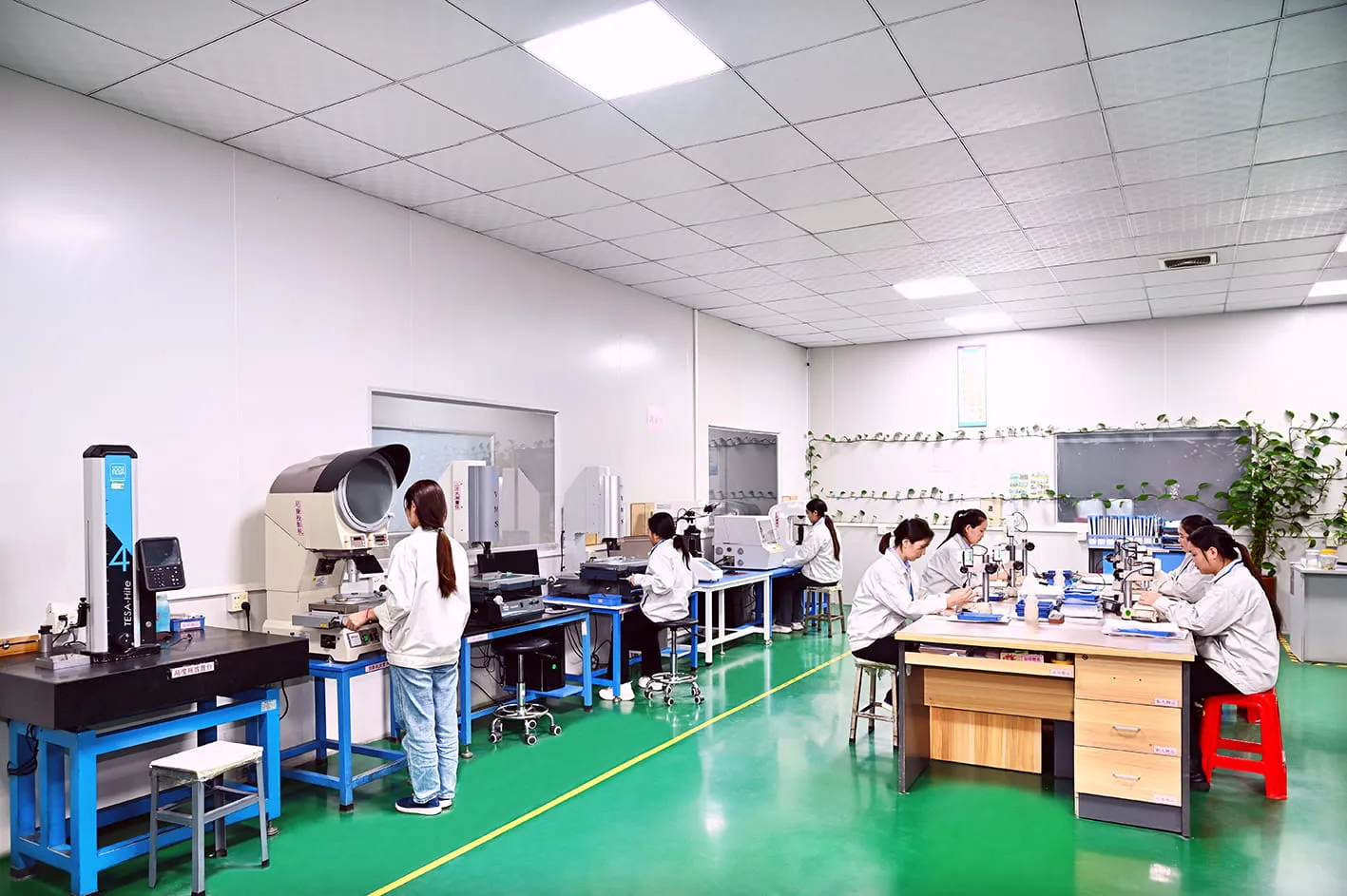
We work with Tier 1 aerospace suppliers, Ground support equipment (GSE) makers, UAV & drone builders, Test & fixture houses, MRO & repair stations, Aerospace design & engineering firms — with lot-level traceability, first article inspection and CMM measurement on every program.
Send us your drawings and target volumes.
Our engineers reply with a DFM review, tooling plan and quotation — usually within 24 hours.
FAQ
Questions Buyers Ask
Can you help with product development?
Yes. From design review and material selection to prototyping, tooling and mass production — our engineers support you through the entire product lifecycle.
Do you ship internationally?
Yes. We ship worldwide via air and sea freight, with export packing, documentation and delivery tracking handled by our team.
What quality inspections do you perform?
First article inspection, dimensional measurement, material verification and surface checks — with inspection reports provided per batch. Full details are agreed before production.
What is the difference between rapid and production tooling?
Rapid tooling uses softer materials and simplified construction for fast, low-cost validation runs (hundreds to low thousands of parts). Production tooling uses hardened steel for high-volume, long-life programs.