Medical Device Component Manufacturing
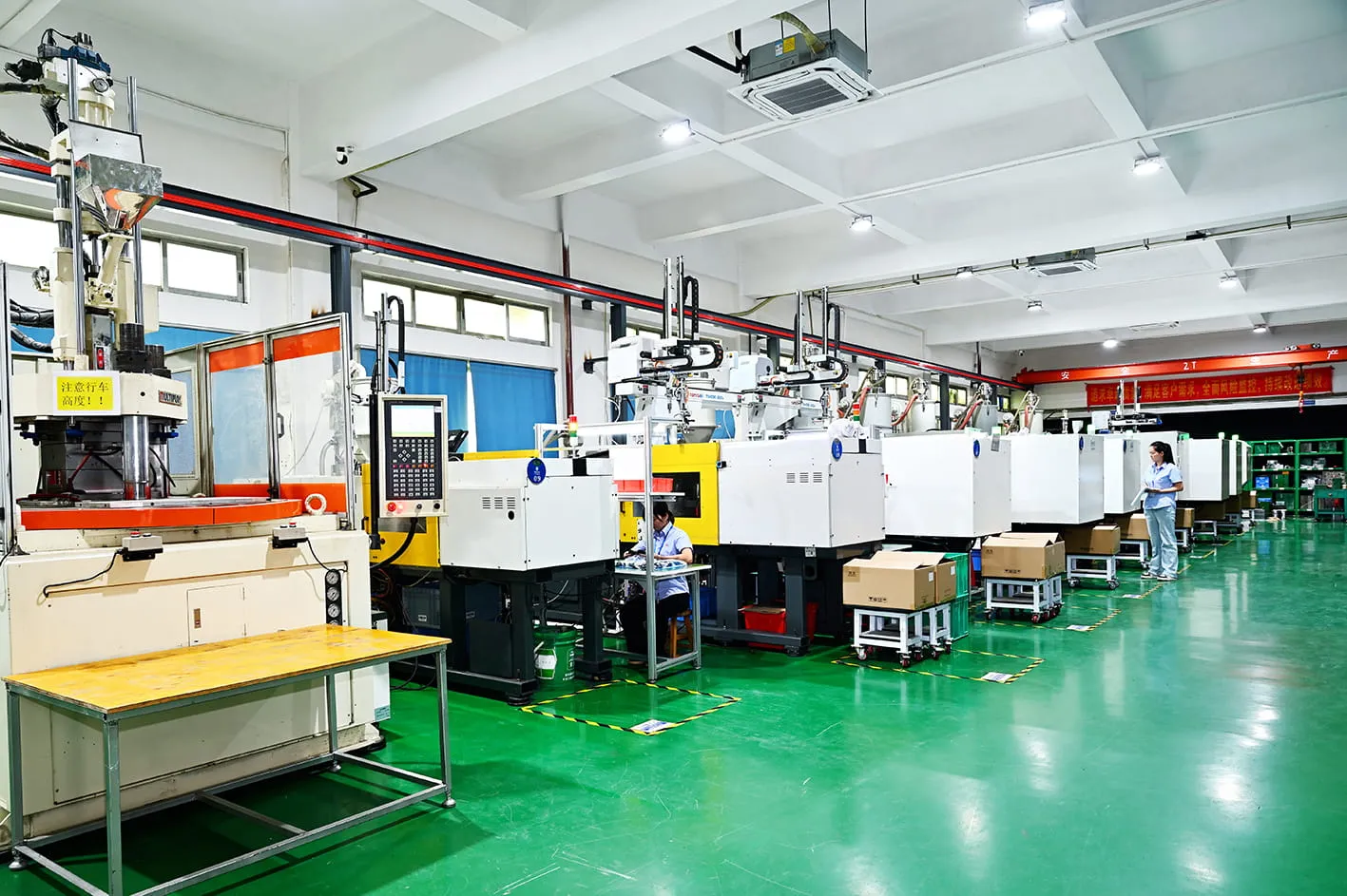
Medical programs balance biocompatibility, sterilizability, and documentation — the disciplines that make medical device injection molding unforgiving. MoldItQuick produces medical plastic parts in ISO Class 7 cleanroom-controlled conditions using medical-grade resins and LSR, with ISO 10993 material support, material traceability, and validation documentation. For implantable or Class III work we qualify through certified partners; for single-use, diagnostic, and wearable devices we manufacture directly.
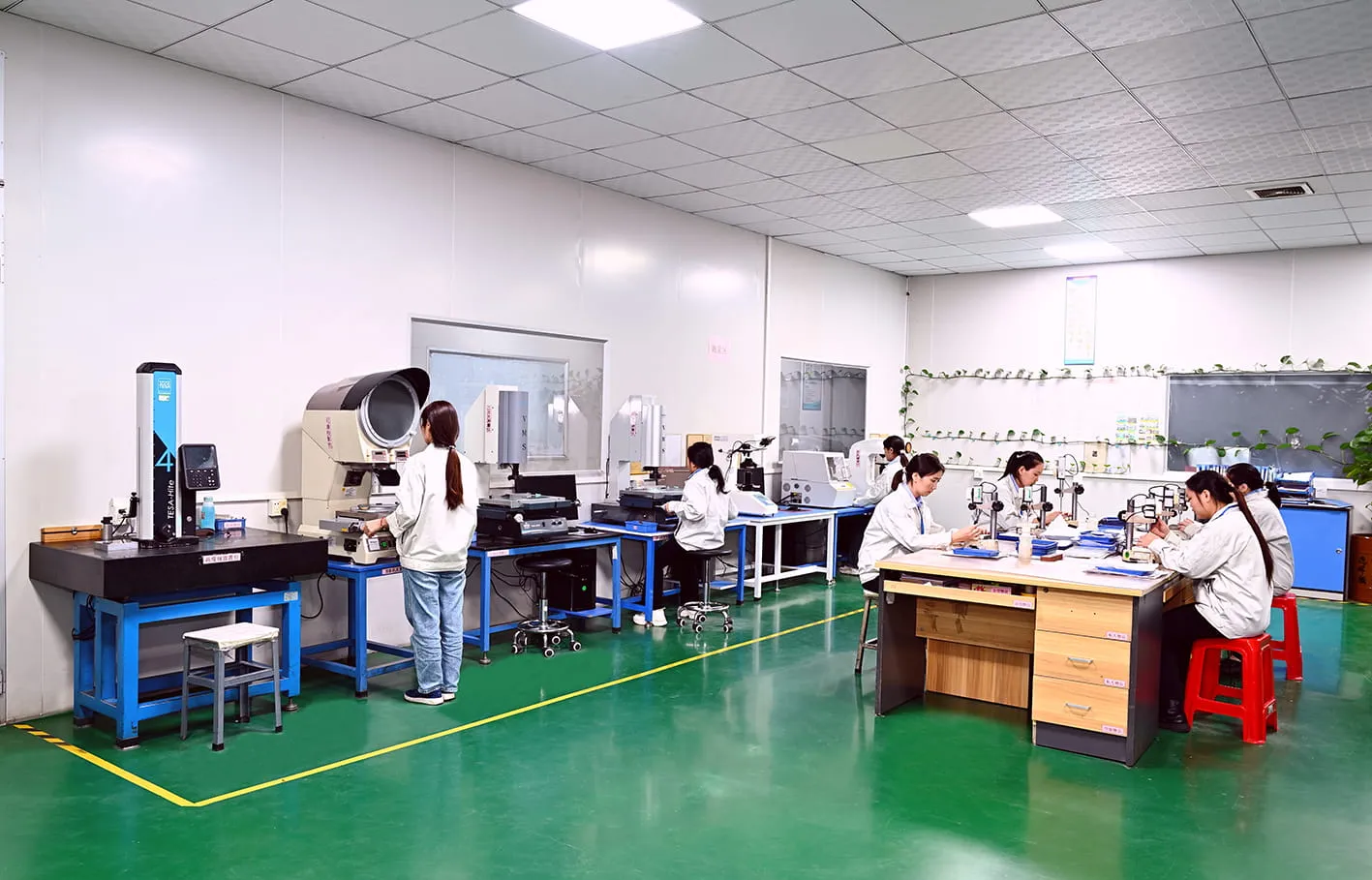
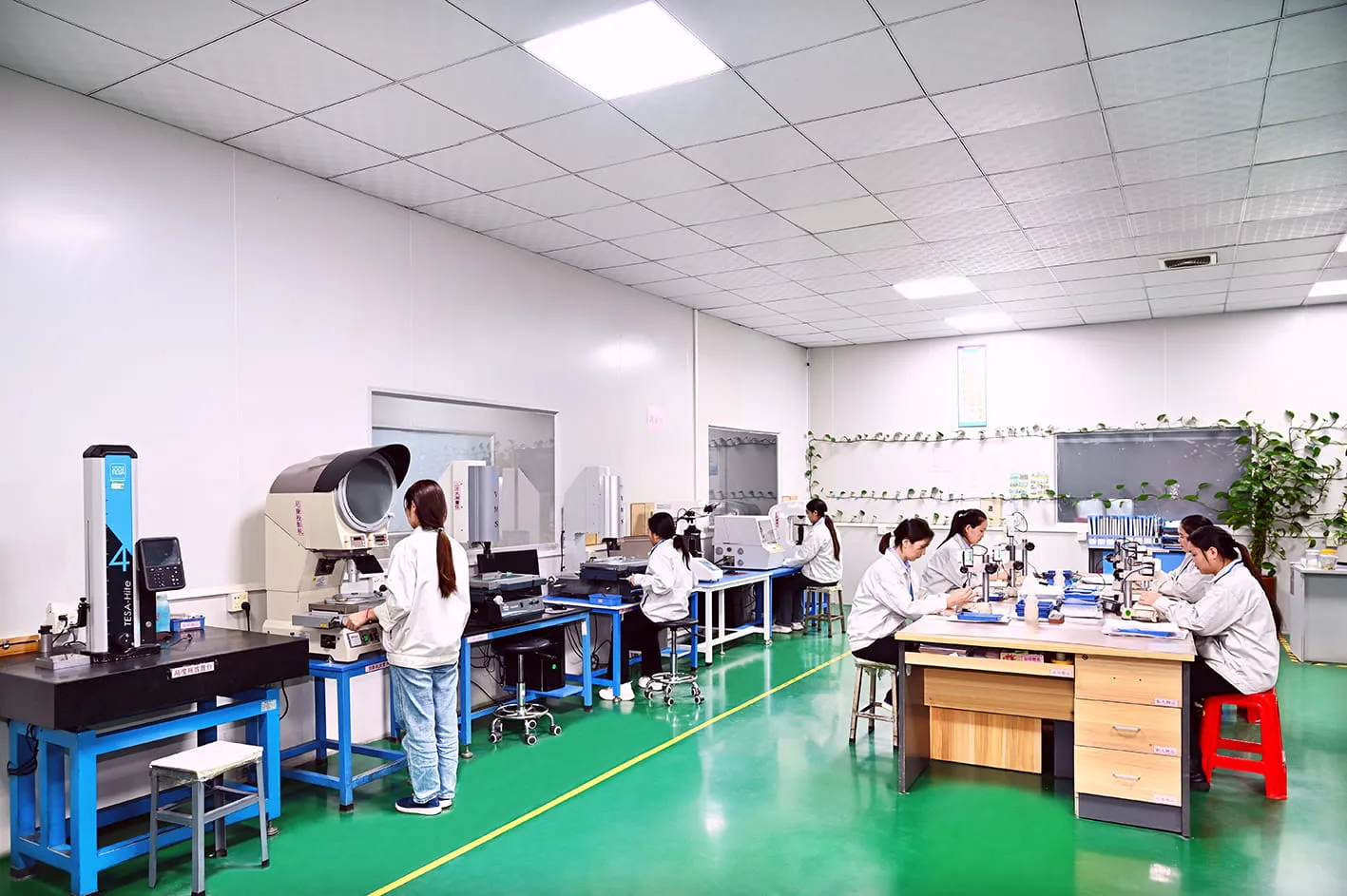
Inspection room — every medical program ships with documented dimensional data.
Why Medical Device Component Manufacturing Uses Custom Manufacturing
Medical programs balance biocompatibility, sterilizability, and documentation — the disciplines that make medical device injection molding unforgiving. MoldItQuick produces medical plastic parts in ISO Class 7 cleanroom-controlled conditions using medical-grade resins and LSR, with ISO 10993 material support, material traceability, and validation documentation. For implantable or Class III work we qualify through certified partners; for single-use, diagnostic, and wearable devices we manufacture directly.
- Materials: Medical-grade PC, PEI, LSR, PEEK
- Processes: Injection, LSR, insert molding
- Cleanliness: Clean-room capable, low-particulate
- Biocompatibility: ISO 10993 material support
- Traceability: Lot control, COC, validation docs
- Standards: ISO 13485 aligned, FDA 21 CFR
PROGRAM CAPABILITIES
What We Hold for Medical Device Component Manufacturing
Materials
Medical-grade PC, PEI, LSR, PEEK
Processes
Injection, LSR, insert molding
Cleanliness
Clean-room capable, low-particulate
APPLICATION MATRIX
Parts, Processes and Materials We Run
| Part | Process | Material | Notes |
|---|---|---|---|
| Surgical instrument handles | Injection + overmolding | PC / TPU | Grip, sterilizable |
| Wearable & drug-delivery housings | Precision injection | Medical PC, PEI | Skin-contact, micro features |
| Seals & diaphragms | LSR liquid silicone | LSR 40-70 Shore | No flash, biocompatible |
| Diagnostic cartridges | Injection + insert | COC / COP, PC | Optical clarity, tight tolerance |
CHALLENGES WE SOLVE
Where Medical Device Component Manufacturing Programs Usually Struggle
Cleanroom grade is not guaranteed — particulate contamination fails inspection and rejects sterile-packaging parts.
Our Solution
ISO Class 7 cleanroom-controlled molding with low-particulate handling and automated inspection.
Biocompatibility risk: off-grade or undocumented resins can fail ISO 10993 expectations for skin-contact components.
Our Solution
Medical-grade resins with ISO 10993 material support — PC, PEI, LSR, PEEK — selected and documented per program.
Batch traceability gaps stall regulatory submission and complicate recall response.
Our Solution
Lot-level control with COC and full material traceability packaged per batch.
Run-to-run process variation drifts critical dimensions and micro-features.
Our Solution
IATF 16949-level process control — SPC, CpK, CMM verification, and first-article validation on every run.
COMPLIANCE & STANDARDS
Documentation Your Program Needs
We work with Medtech device OEMs, Contract device manufacturers (CDMOs), Diagnostic instrument makers, Wearable & patch-pump designers, Dental device makers, Regulatory & design consultancies — with lot-level traceability, first article inspection and CMM measurement on every program.
Send us your drawings and target volumes.
Our engineers reply with a DFM review, tooling plan and quotation — usually within 24 hours.
FAQ
Questions Buyers Ask
Can you help with product development?
Yes. From design review and material selection to prototyping, tooling and mass production — our engineers support you through the entire product lifecycle.
Do you ship internationally?
Yes. We ship worldwide via air and sea freight, with export packing, documentation and delivery tracking handled by our team.
What quality inspections do you perform?
First article inspection, dimensional measurement, material verification and surface checks — with inspection reports provided per batch. Full details are agreed before production.
What is the difference between rapid and production tooling?
Rapid tooling uses softer materials and simplified construction for fast, low-cost validation runs (hundreds to low thousands of parts). Production tooling uses hardened steel for high-volume, long-life programs.