
Medical Device Molding Supplier: Clean Process & Material Compliance
Table of Contents
Medical device molding is judged on two things that have nothing to do with the machine: material compliance and documentation. The part itself is often simple — a housing, a button, a seal, a connector — but the resin must meet biocompatibility standards, the process must be validated, and the paperwork must survive an audit. A supplier that cannot trace a lot to its resin batch cannot ship a medical part, regardless of how clean the molding floor looks.
MOLDITQUICK is a medical device molding supplier running under IATF 16949-level process control, alongside ISO 9001 and IATF 16949. We mold medical housings, ECG buttons, LSR seals and device components in our 10,000 m² Dongguan facility, with presses from 30T to 260T and a managed tooling program. Programs ship with material certificates, batch traceability and dimensional reports — and we support documentation packages for EU MDR and FDA submissions.
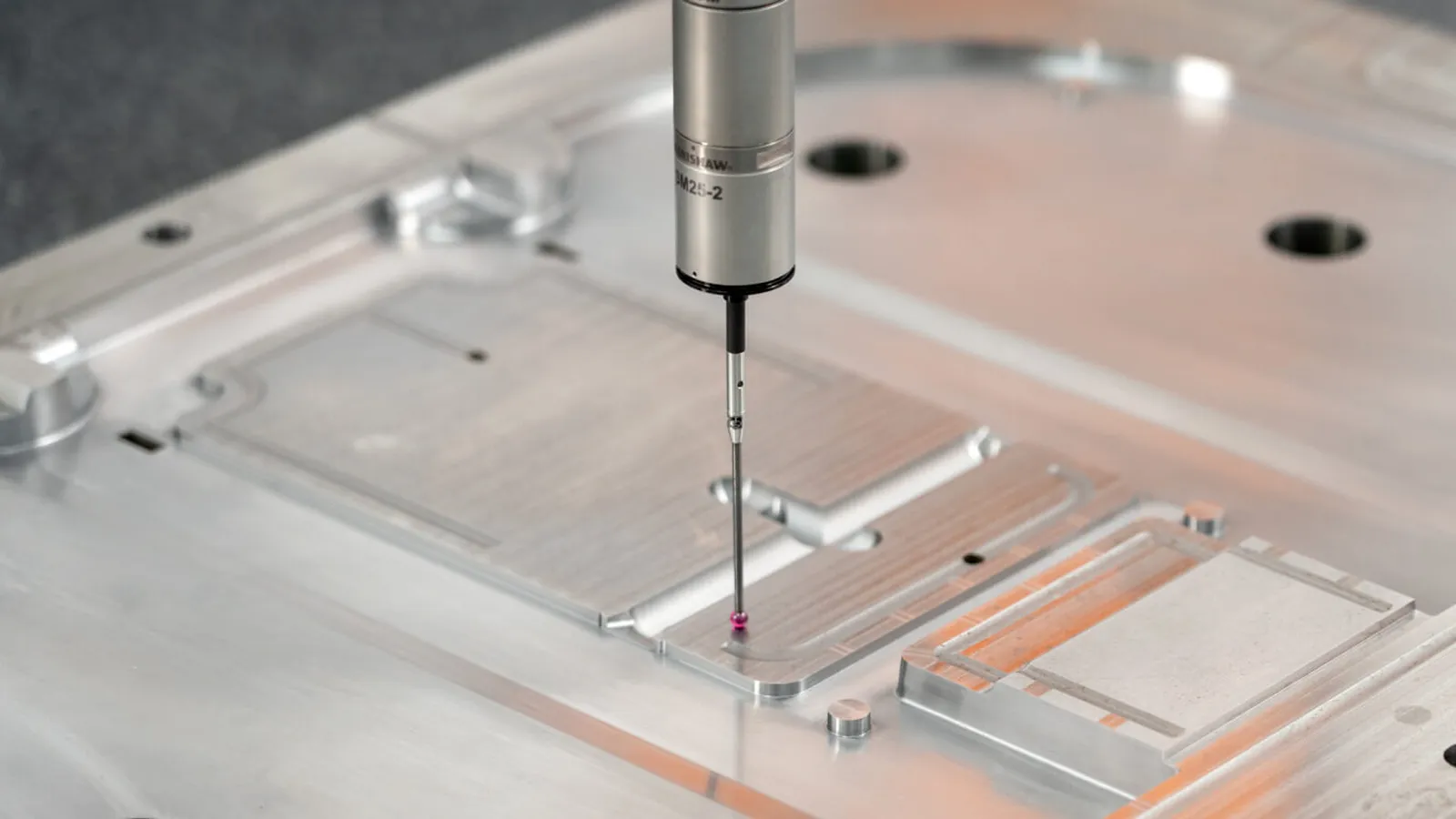
Biocompatibility and the Material Selection Chain
Medical materials are selected from the USP Class VI / ISO 10993-compliant families: medical-grade PC, ABS, PP, PPSU, PEEK, TPU and liquid silicone rubber (LSR). The grade matters, not just the resin family — a "PC" that works for a toy enclosure is not the same material as a PC with USP Class VI certification and a biological evaluation report. We specify the certified grade in the quote, attach the material certificate to every shipment, and keep the resin lot traceability from the certificate to the batch number on the carton.
LSR (liquid silicone rubber) deserves special mention: it is the material of choice for seals, diaphragms, masks and anything that touches the patient. LSR requires dedicated process knowledge — the two-component mixing, the low-viscosity injection into a hot mold (140-180°C), and the flash-free tooling design. We run LSR on our vertical presses and can combine it with overmolding for device grips and seals. Our medical injection molding guide walks through the material and documentation checklist in full.
Cleanroom Levels, Validation and Traceability
Cleanliness is specified by ISO 14644 class, and most medical molding does not require a cleanroom at all — a controlled molding area with good housekeeping, validated cleaning procedures and controlled handling is sufficient for many devices. Where ISO Class 7 or 8 is required, we run the molding in the controlled area and manage the part handling, packaging and environmental monitoring accordingly. The point is to match the cleanroom level to the device risk, not to pay for a class 5 cleanroom you do not need.
Process validation follows the IQ/OQ/PQ structure: installation qualification (the machine and tool meet spec), operational qualification (process windows established), performance qualification (repeated runs demonstrate consistency). We maintain the validation records and the process monitoring data, and each lot ships with its inspection report. For comparison, the typical market capability for medical molding includes ISO 13485-compliant facilities with material traceability and cleanroom support (.
Low-volume medical runs of 500-5,000 pieces quote in 7-12 days; production runs ship in 25-30 days with global delivery. If you are qualifying a supplier for a medical program, send us the part, the material spec and the documentation requirements — we will confirm exactly what we can certify. Contact us to start.
One more capability matters in medical work: the ability to move from prototype to production without changing the material or the process. A medical device that is validated in a prototype resin and then switched to a "production equivalent" is a validation gap — the change itself is a design change in the eyes of the regulator. We keep the material and the process consistent from the first functional prototype to the production lots, so the validation evidence you generate in development remains valid in production. That consistency is a documentation feature, but it saves real time and real money at audit time.
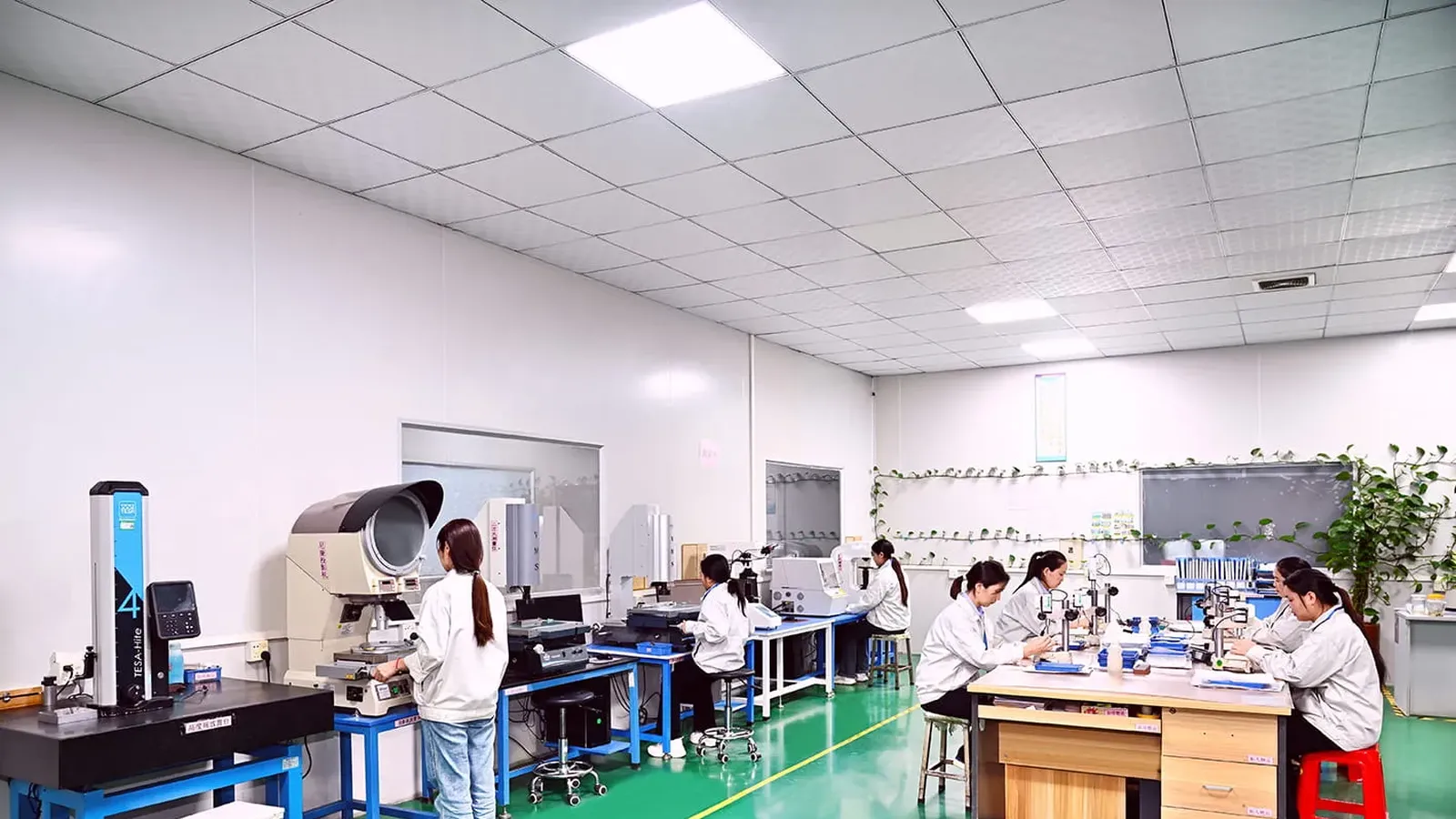
Need a quote? Contact us — upload your 3D file for a fast DFM review.
NEXT STEP
Ready to Start Your Project?
Send us your requirements — our team responds within 24 hours with pricing and lead time.
Written by
Ray ChanManufacturing Engineer · Custom Manufacturing Specialist. Ray helps global importers and integrators source factory-direct plastic parts and tooling.