
Mold Maker vs Molder: Who Owns Your Tooling?
Table of Contents
Mold maker vs molder is one of the most expensive misunderstandings in manufacturing. A mold maker builds tools; a molder runs them. When they are two different companies, the tooling quote, the part quote and the blame all live in different buildings — and when a cavity dimension drifts, the mold maker says the process is wrong while the molder says the steel is wrong. The customer pays for the argument either way.
MOLDITQUICK runs tooling and molding as one accountable team. The mold making program delivers the tools — hardened steel production molds, rapid soft tools, insert and two-shot tooling — and the molding floor runs them on our presses (30T to 260T). The same engineering team designs the cavity, sets the process and signs the inspection report. That structure changes how problems get solved.
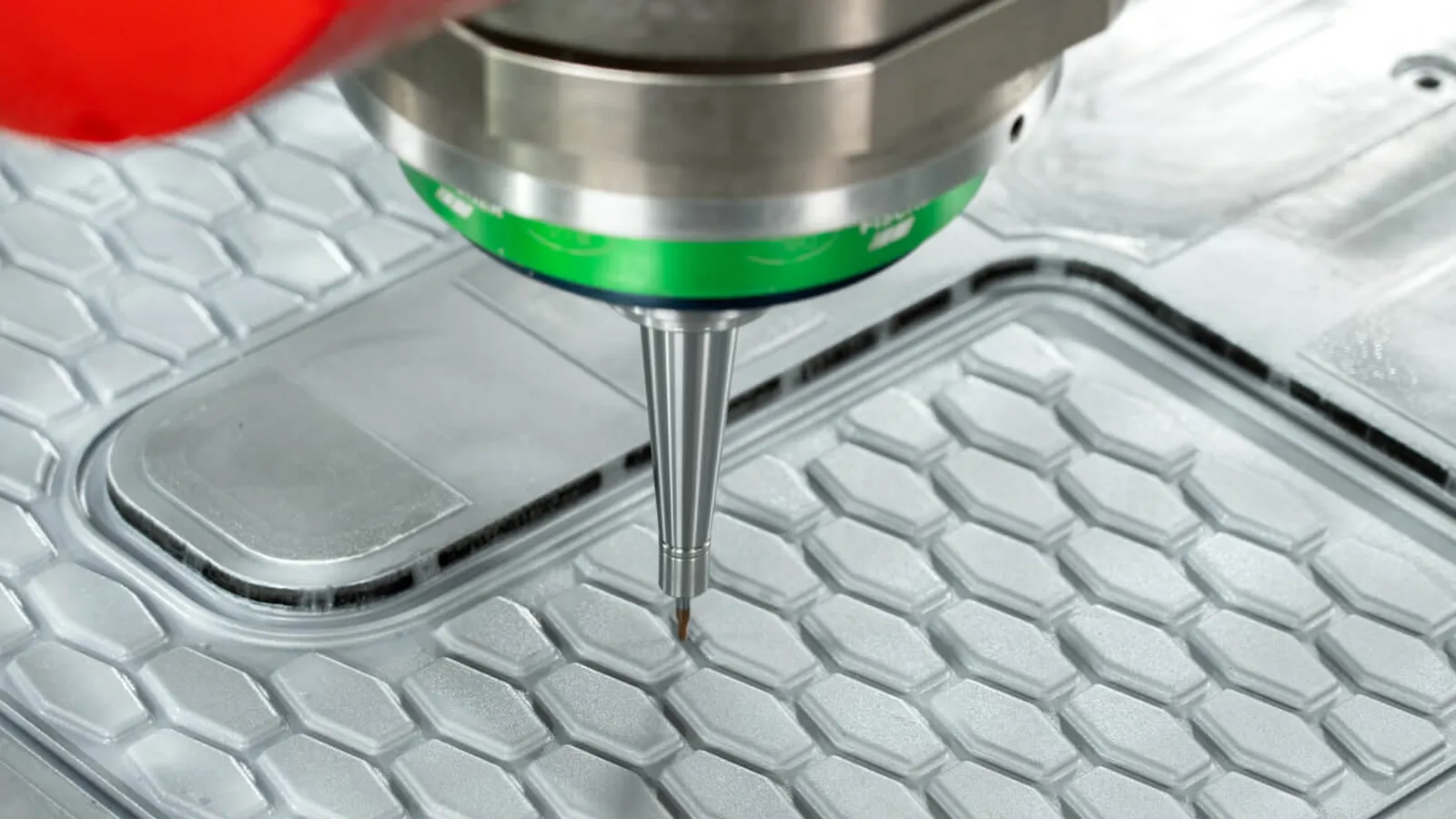
Who Owns the Tool? The Ownership Question
Tool ownership is the first thing to settle. When a customer pays for a mold, the mold belongs to the customer — but who holds the drawings, who maintains it, and who fixes it when it wears? A separate mold maker and molder means two invoices, two schedules and two opinions about who pays for the repair. One accountable tooling program means one contract: tooling, process and the repair path all come from a single program owner, and the cost of a repair lands on the party whose contract says so, without a middleman markup.
There is also a quality argument for keeping tooling and molding in one program. Tool trials are where the real engineering happens — gate placement, venting, shrinkage correction. When the mold maker and the process engineer are the same person, the trial findings go straight back into the steel. A gate moved 2 mm to fix a weld line is a one-day change inside one program and a two-week re-quote with a separate tooling vendor. That speed is why our how to choose a mold maker guide recommends auditing the tooling and the molding floor together, not separately.
What to Check When You Audit Both
If you are choosing between a mold maker who outsources molding or a molder who outsources tooling, check four things. First, the tool steel: P20 for low volumes, H13 or S136 hardened for production — ask to see the steel certs. Second, the mold base and hot-runner brands: DME/Hasco bases and Mold-Masters/Synventive hot runners indicate a serious shop. Third, the trial equipment: can they try the tool on the machine that will run production? Fourth, the repair process: what happens when a cavity wears at 200,000 shots? An on-site shop plans the repair schedule; a vendor relationship negotiates it.
At MOLDITQUICK, production tools are specified in S136 or H13 hardened steel with documented heat treatment, and mold repair and modification services are available on the same program schedule as the production runs. The facility — 10,000 m², 280 employees — holds IATF 16949 and ISO 9001, so the same quality system covers steel, plastic and paperwork. Low-volume runs ship in 7-12 days; production in 25-30 days.
If you are evaluating mold suppliers, send us your part and your volume forecast — we will show you the tooling plan, the steel spec and the part price in one quote, and you can decide whether one building sounds better than two. Contact us to start.
There is also the lifecycle argument. A mold is not a static asset — it wears, it breathes, it needs maintenance and eventual repair. A production mold on a busy program will be in and out of maintenance for the life of the product. If the tooling program belongs to a different company than the machine that runs it, every repair becomes a commercial negotiation between two vendors, with your production line waiting in the middle. One accountable tooling program makes maintenance a production-planning activity instead of a contract dispute. Ask any supplier with a long automotive history how many of their molds are repaired by the mold's original builder — the answer tells you who actually owns the engineering.
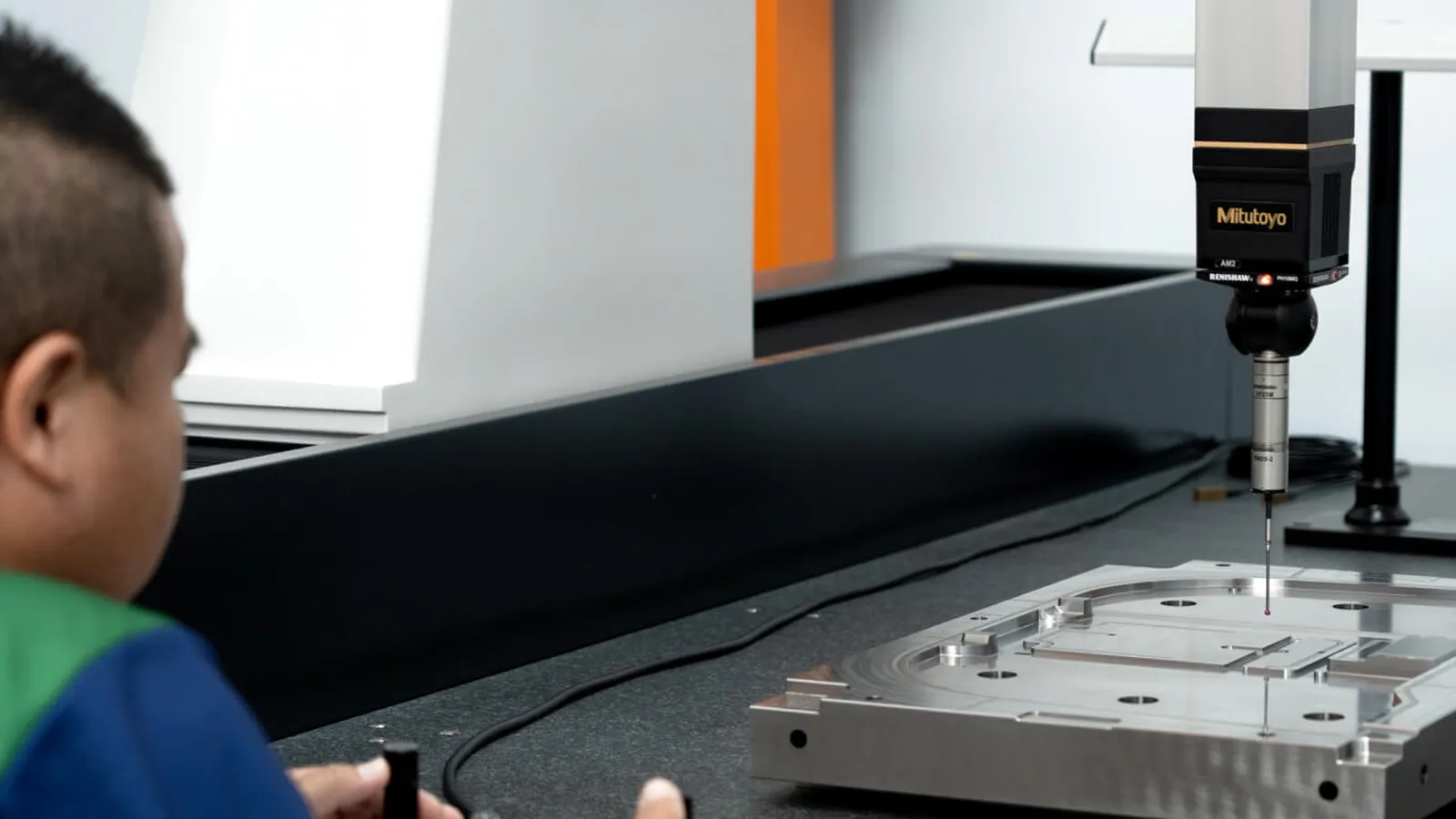
Need a quote? Contact us — upload your 3D file for a fast DFM review.
NEXT STEP
Ready to Start Your Project?
Send us your requirements — our team responds within 24 hours with pricing and lead time.
Written by
Ray ChanManufacturing Engineer · Custom Manufacturing Specialist. Ray helps global importers and integrators source factory-direct plastic parts and tooling.