
Powder Coating vs Painting vs Anodizing
Table of Contents
Powder coating vs anodizing is the finish decision for aluminum parts, and the two processes could hardly be more different. Powder coating applies a thick, tough polymer layer (typically 60-120 µm) that sits on top of the metal — color and protection in one, in any color you can name. Anodizing grows a hard oxide layer out of the aluminum itself (typically 5-25 µm for Type II, 25-75 µm for Type III hard coat), so the finish is part of the metal — it cannot peel, and it preserves the metal's metallic look. Painting (liquid) is the third option, usually thinner and cheaper than powder but less durable.
The decision logic: powder coating for color range, toughness and cost on parts that will be seen and handled (enclosures, brackets, frames); anodizing for wear resistance, thin-wall parts where added thickness matters, and the natural aluminum aesthetic; Type III hard anodizing for functional wear surfaces (the coating reaches 350-500 HV, harder than many steels). The two are not interchangeable — powder coating adds 60-120 µm of thickness that changes fits, while anodizing adds 5-25 µm that is dimensionally precise enough for threaded parts with allowance.
Powder Coating: Thickness, Colors and the Prep That Matters
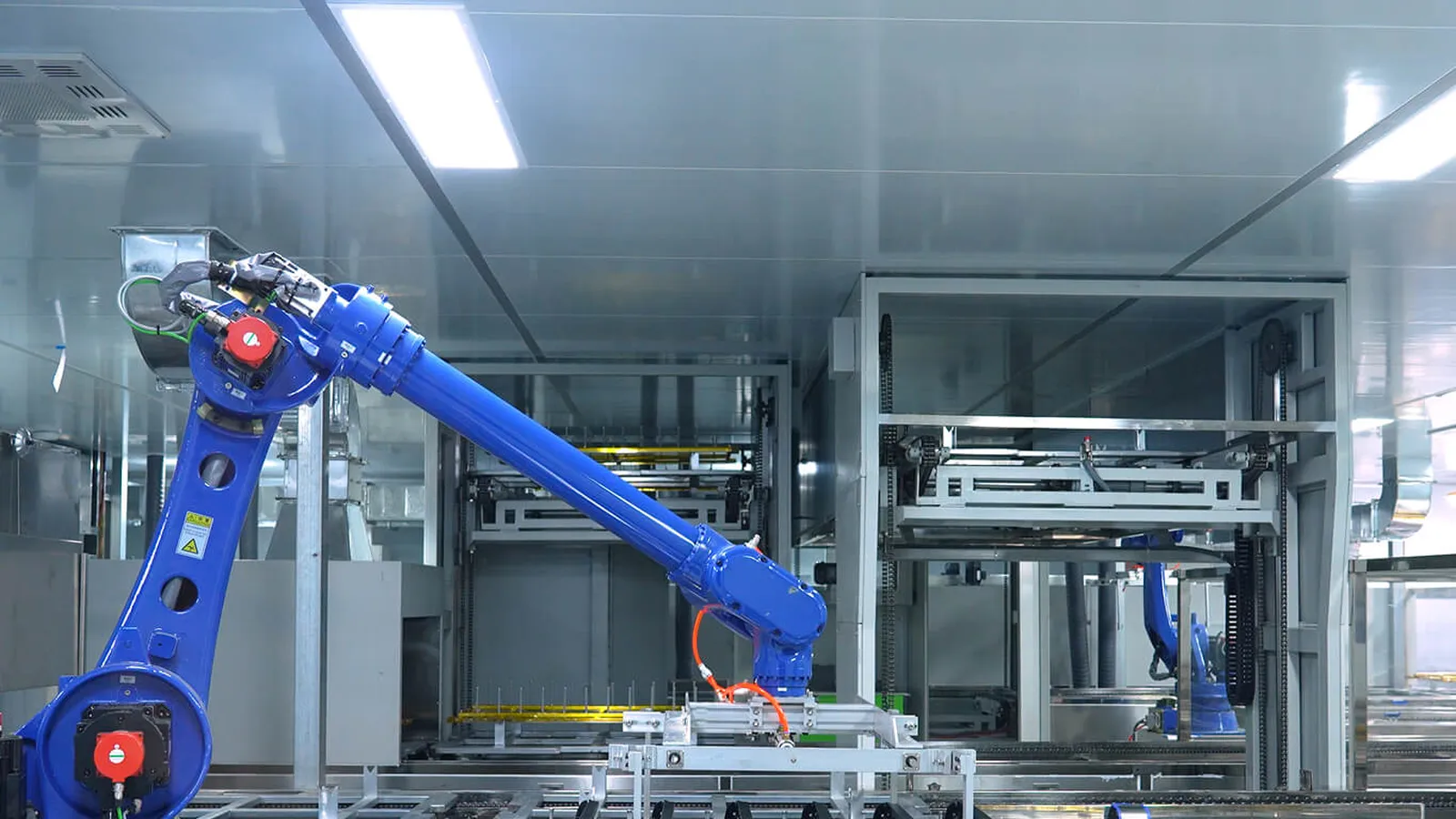
Powder coating is applied electrostatically and cured in an oven at 180-220°C. The strengths: essentially unlimited color and texture range (smooth, wrinkle, metallic, matte, gloss), excellent impact and corrosion resistance, and economical coverage of complex shapes. The requirements: surface preparation dominates the result — the part must be degreased, etched and often conversion-coated before powder, because the powder is a barrier, not a converter; a poorly prepped part blisters and flakes. Heat distortion is the second constraint: the 200°C cure rules out thin aluminum sections and any assembly with heat-sensitive components, so powder coating happens on bare metal parts, not assemblies. Salt-spray performance is typically 500-1,000+ hours with proper prep — the honest number to put in the spec.
For CNC-machined aluminum parts, powder coating covers machining marks and minor surface defects — which is both its advantage (forgiving) and its trap (it hides, then reveals, poor surface prep). Our CNC machining line preps parts to the finish spec so the coating lands on a surface that holds it.
Anodizing: The Finish That Is the Metal
Anodizing passes current through the aluminum in an acid electrolyte, growing a porous oxide layer that is then sealed (or dyed before sealing). Type II (decorative/protective) gives 5-25 µm in clear, black, gold or dyed colors; Type III (hard coat) gives 25-75 µm in dark colors (black, olive, dark gray) with the wear resistance of case-hardened steel. The strengths: the coating cannot peel because it is the metal itself; dimensional growth is controlled (about 50% of the coating thickness is growth, 50% penetration — threaded parts get an allowance); and the corrosion resistance of sealed anodize on 6061 is excellent. The limits: color range is narrow versus powder (dyes are translucent, so the aluminum shows through), touch-up is impossible (damage goes to bare metal), and the process is unsuitable for castings with heavy porosity or mixed alloys in one bath (the alloys anodize differently).
The spec on the drawing: "Type II anodize, clear, per MIL-A-8625" or "Type III hard coat, black, 50 µm minimum, per MIL-A-8625" — the military spec is the common reference even for commercial work, and it defines the test methods (coating weight, thickness, seal quality). For market context, finishing services routinely offer anodizing and powder coating with salt-spray and thickness verification (.
Which one for your part? Send us the part, the environment and the aesthetic — we will recommend the finish, spec the thickness and the test, and quote the complete chain from surface finishing to shipment. Contact us to start.
Need a quote? Contact us — upload your 3D file for a fast DFM review.
NEXT STEP
Ready to Start Your Project?
Send us your requirements — our team responds within 24 hours with pricing and lead time.
Written by
Ray ChanManufacturing Engineer · Custom Manufacturing Specialist. Ray helps global importers and integrators source factory-direct plastic parts and tooling.