
Aerospace Parts Manufacturing: Tight Tolerance & Traceability
Table of Contents
Aerospace parts manufacturing is a different discipline from commercial molding. The parts are often small, thin-walled and geometrically complex; the materials are engineering grades like PEEK, PEI (Ultem), PPSU and glass-filled nylon; and the paperwork can outweigh the parts — material certificates, heat-lot traceability, inspection reports and full documentation of every process step. A supplier that treats an aerospace bracket like a consumer electronics clip will fail the audit long before the parts fail the test.
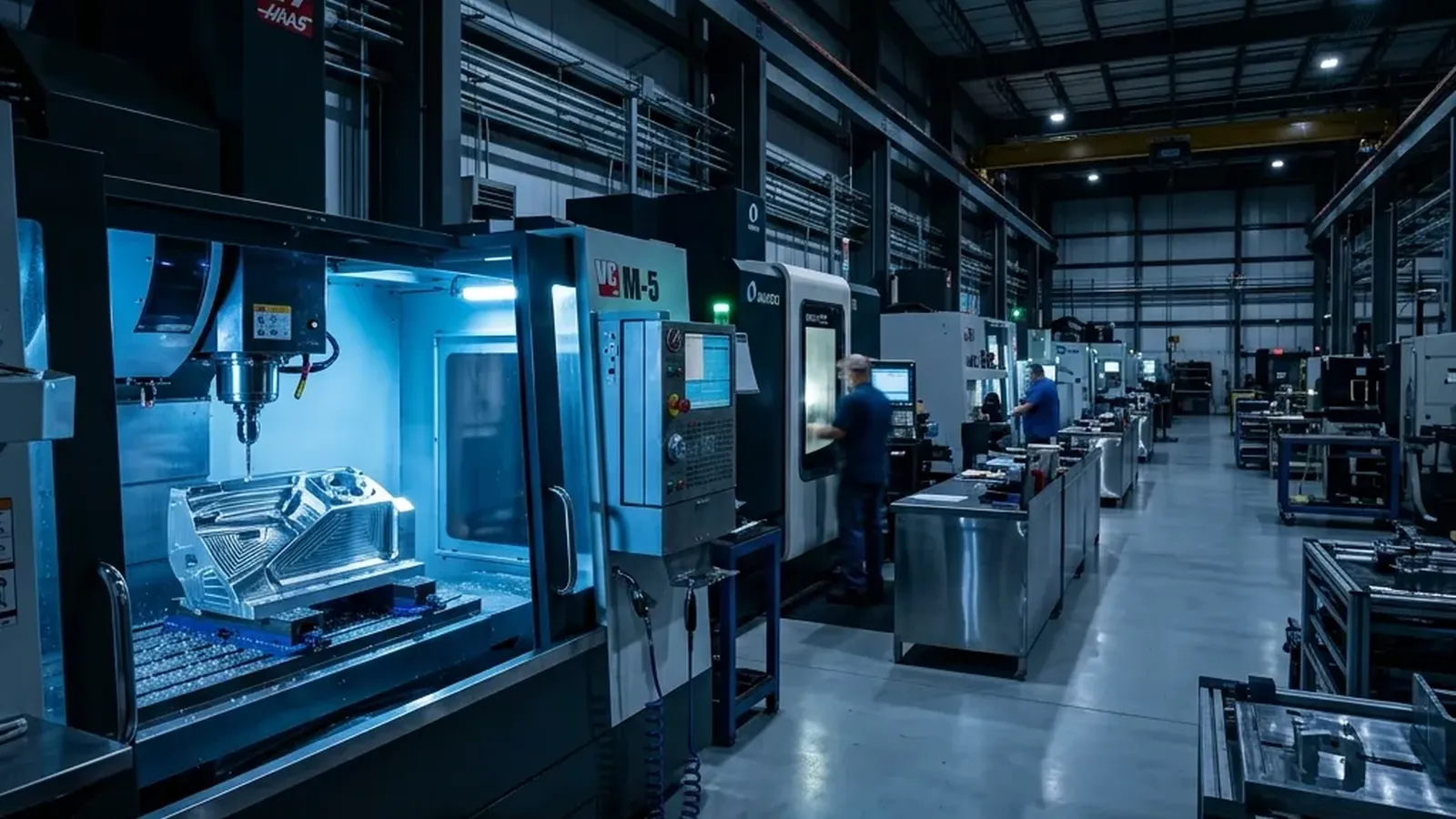
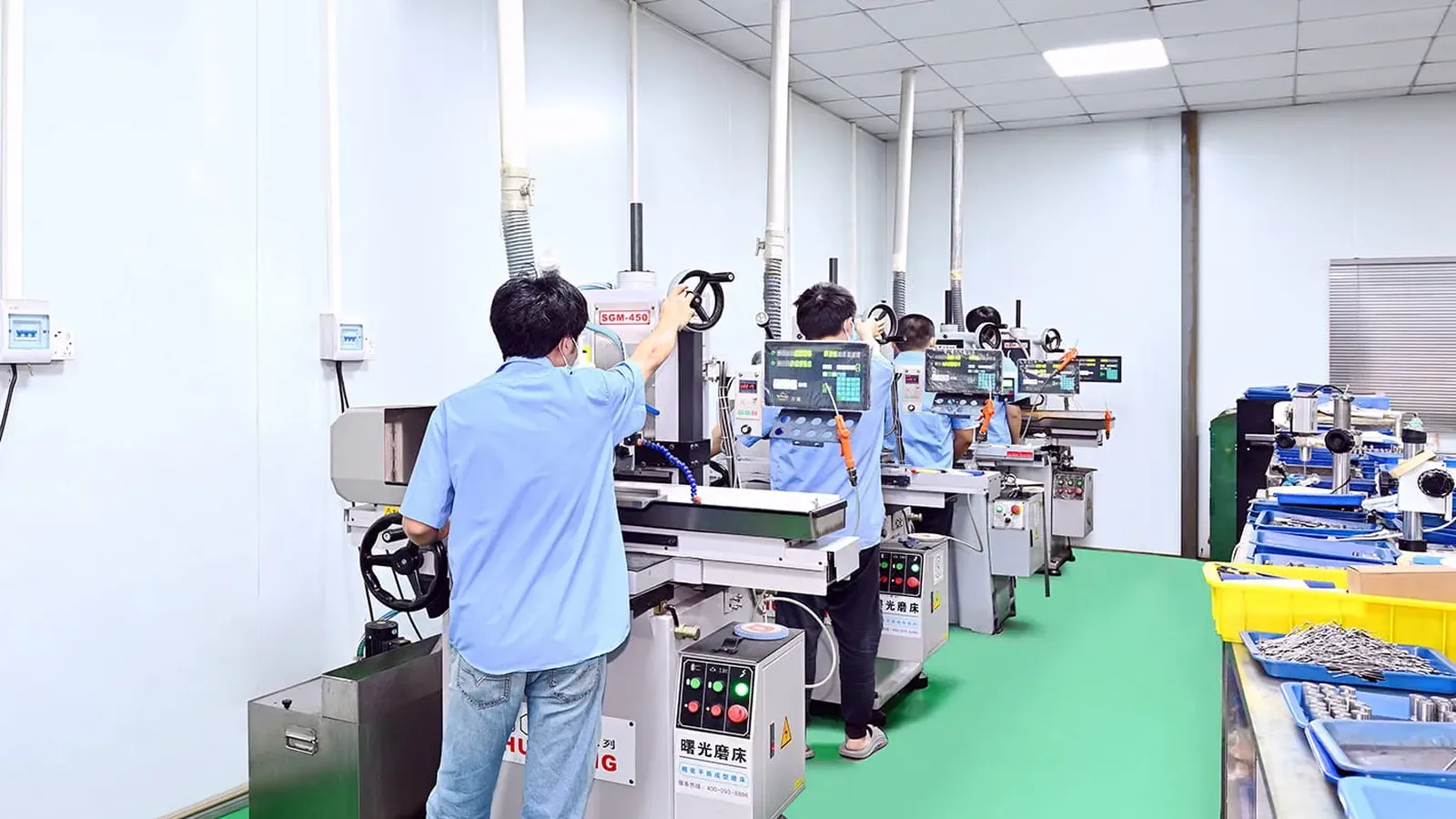
MOLDITQUICK supports aerospace programs with precision CNC machining and injection molding of engineering thermoplastics, backed by the ISO 9001 quality system and full traceability on every lot. The 10,000 m² facility in Dongguan runs presses from 30T to 260T plus CNC mills, wire EDM and inspection equipment — so prototype brackets and production parts come from the same controlled process.
Materials and Traceability Are Non-Negotiable
Aerospace brackets, clamps, insulators and connectors are typically molded in PEEK, PEI or PPSU because of their continuous-use temperature (250°C+ for PEEK), chemical resistance and flame performance. These materials are expensive — a kilogram of PEEK costs an order of magnitude more than ABS — so the process has to be right the first time. They also run hot: PEEK molds at 350-400°C barrel temperature and 160-200°C mold temperature, which needs a machine with proper thermal control and a barrel designed for high-temperature resins. Not every supplier has that capability, and running PEEK on an under-specified machine is how parts come out with degraded crystallinity and failed mechanical tests.
Traceability starts at the resin lot. Every aerospace lot we ship includes the material certificate, the heat-lot number, the processing parameters and the inspection records, so a single part can be traced back to the raw material batch. That documentation is what an aerospace customer's quality team audits — and it is why we keep the process records for every shot on critical programs. If your program needs AS9100-style documentation, we can support the documentation package; most of our aerospace customers also accept our ISO 9001 records with the material and process data attached.
Tolerances and Inspection for Flight-Critical Parts
Aerospace parts routinely carry tolerances of ±0.05 mm on mating features, and the inspection has to prove it. We verify critical dimensions on a CMM and provide the inspection report with the shipment. On-site wire EDM gives us the ability to cut precision fixtures and electrode details that many molding suppliers cannot produce at all.
For machined metal brackets — aluminum 6061/7075, titanium and stainless — the CNC line holds ±0.005 mm where required, with surface finishes down to Ra 0.8 µm. We combine machined and molded parts under one quality system so an assembly that mixes a PEEK insulator with an aluminum bracket ships complete, with one quality record instead of two suppliers' paperwork. Our aerospace injection molding guide covers the material and documentation checklist in full.
Low-volume aerospace runs of 50-5,000 parts quote in 7-12 days; production runs extend to 25-30 days. Global shipping with export documentation is standard. If you are qualifying a supplier for an aerospace program, send us the part, the material spec and the documentation requirements — we will tell you precisely what we can certify and what we cannot. Contact us to start the conversation.
The engineering side matters just as much as the paperwork. Aerospace parts tend to be thin-walled and tightly toleranced — a PEEK insulator with a 0.3 mm wall and ±0.05 mm features is not a part you want to discover is unmoldable after the tool is cut. Our DFM review checks draft, gate placement and wall balance before tooling, and we run mold-flow analysis on the critical geometry so the first shots are functional parts, not discovery exercises. For the machined side, the same discipline applies: fixtures are designed for the datum scheme, and critical features are verified on the CMM rather than with hand tools.
Need a quote? Contact us — upload your 3D file for a fast DFM review.
NEXT STEP
Ready to Start Your Project?
Send us your requirements — our team responds within 24 hours with pricing and lead time.
Written by
Ray ChanManufacturing Engineer · Custom Manufacturing Specialist. Ray helps global importers and integrators source factory-direct plastic parts and tooling.