
OEM vs ODM: Which Manufacturing Model Fits Your Stage
Table of Contents
OEM vs ODM is a decision about who owns the design, not who owns the factory. Under an OEM (original equipment manufacturer) arrangement, the customer owns the design and the factory manufactures to print — the customer specifies materials, tolerances, finishes and inspection. Under an ODM (original design manufacturer) arrangement, the factory owns or co-develops the design, often from a concept or a reference product, and the customer brand goes on a product the factory largely engineered.
The choice matters because it changes everything downstream: who pays for tooling, who owns the drawings, who fixes the design when manufacturing finds a problem, and how fast you can react to the market. MOLDITQUICK works in both models — OEM manufacturing to customer prints, and co-development of parts where the customer brings a concept and we bring the DFM, materials and manufacturability expertise.
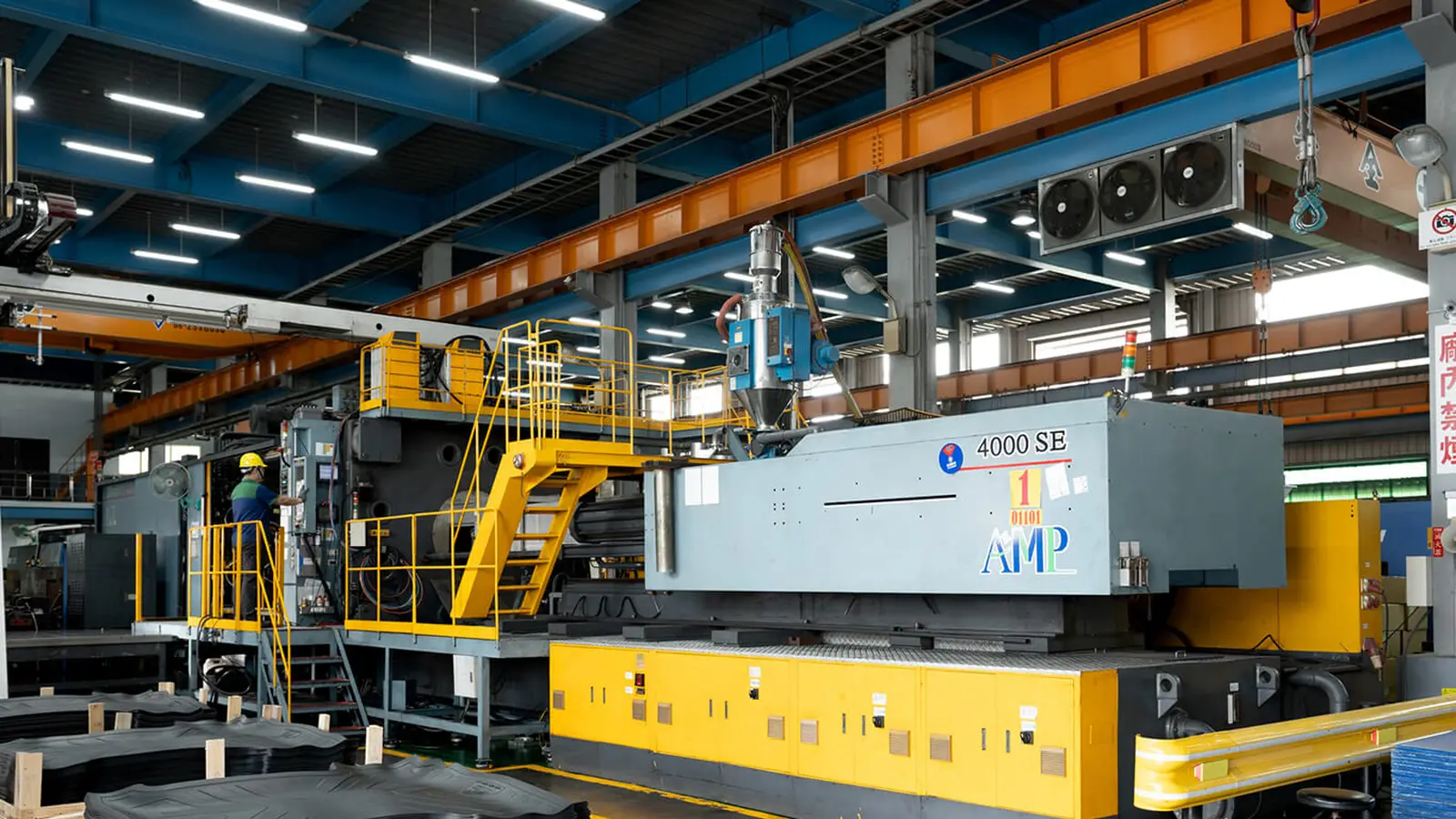
OEM Manufacturing: Control With Ownership
Under the OEM model you control the design, the material spec and the quality standard. That is the right choice when the product is differentiated by its engineering — medical devices, aerospace components, patented mechanisms — or when your brand's liability depends on the design record. You pay for the tooling, you own it, and you can move it if you change suppliers. The discipline required: your drawings must be complete (tolerances, GD&T, material grades, finish specs), because the factory will build to print — and only to print.
What a good OEM supplier adds is manufacturability review: the DFM that catches draft-angle problems, thin-wall sinks and impossible tolerances before the tool is cut. At MOLDITQUICK every OEM quote includes that review at no charge — the design stays yours, but you get our manufacturing engineering on it. That is the version of the model where both sides win: you keep control, we keep you out of the re-tooling trap.
ODM and Co-Development: Speed to Market
Under the ODM model, the supplier takes more of the design load. You bring a concept, a reference product or a rough CAD model; the supplier develops the part design, selects the material, builds the tool and qualifies the process. The advantage is speed — an experienced ODM has done your product category a hundred times, so the design cycle compresses and the pitfalls are already mapped. The trade-off is control: the design record lives with the supplier, and switching factories later means re-developing or buying the intellectual property.
The middle path, co-development, is where most successful programs live: you own the functional design and the brand; the supplier owns the manufacturability details — draft, gates, tolerances, material grades — and documents everything so the design record stays transferable. We do this routinely for consumer electronics enclosures and automotive programs, where the customer's functional spec meets our process knowledge.
Whichever model you choose, the factory capabilities matter equally: presses from 30T to 260T, a mold making program, CNC, and IATF 16949 / ISO 9001 quality systems at our 10,000 m² Dongguan plant. Low-volume runs ship in 7-12 days, production in 25-30 days. If you are deciding between OEM and ODM for your next product, send us your current drawings or concept — we will quote both paths and show you what each one costs. Contact us to start.
The financial model differs too, and it shapes the decision more than most buyers expect. In the OEM model you carry the tooling investment and the design risk; your cost structure is transparent and your exit options are open — you own the tool and can move it. In the ODM model the supplier carries the tooling and typically wants the volume commitment to pay it back; your upfront cost is lower, but the switching cost is built in. For a startup with limited capital, ODM's lower barrier can be the difference between launching and waiting; for an established brand protecting a proprietary design, OEM's control is worth the investment. Run the numbers on your volume and your IP before you choose the model.
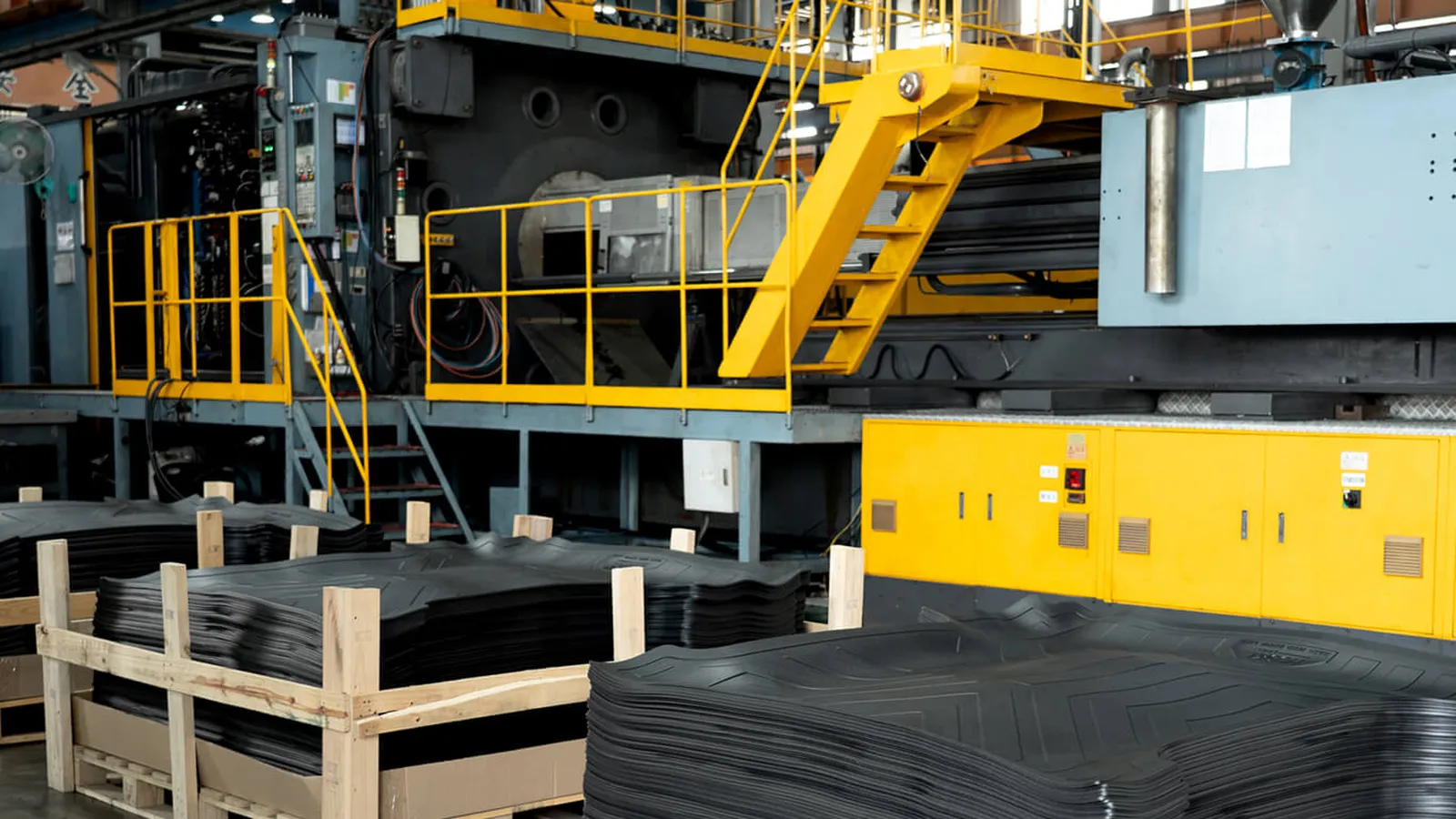
Need a quote? Contact us — upload your 3D file for a fast DFM review.
NEXT STEP
Ready to Start Your Project?
Send us your requirements — our team responds within 24 hours with pricing and lead time.
Written by
Ray ChanManufacturing Engineer · Custom Manufacturing Specialist. Ray helps global importers and integrators source factory-direct plastic parts and tooling.