
How to Choose Thin-Film Materials for PVD
Table of Contents
Choosing a thin-film material for PVD coating is a decision about the surface's job, not the color. Every PVD layer — titanium nitride (TiN), chromium nitride (CrN), aluminum titanium nitride (AlTiN), zirconium nitride (ZrN), DLC (diamond-like carbon), and the decorative options — has a specific hardness, friction, color and corrosion resistance, and the wrong choice fails in the field even though it looked right at approval. The selection starts with the failure mode you are preventing: wear, corrosion, friction or aesthetics.
The material families: TiN is the classic gold-colored hard coating (hardness ~2,300 HV), used for cutting tools, molds and decorative gold. CrN is the silver-gray workhorse (hardness ~1,750 HV) with better corrosion resistance and lower friction — the default for mold components and many functional parts. AlTiN (hardness ~3,300 HV) is the high-temperature coating for cutting tools, stable to 900°C+. DLC (hardness 1,500-3,000 HV depending on type) has the lowest friction coefficient of the family — the choice for sliding surfaces, gears and watch movements. ZrN is the champagne-colored decorative coating. The PVD coating overview covers the process; this guide is the material selection map.
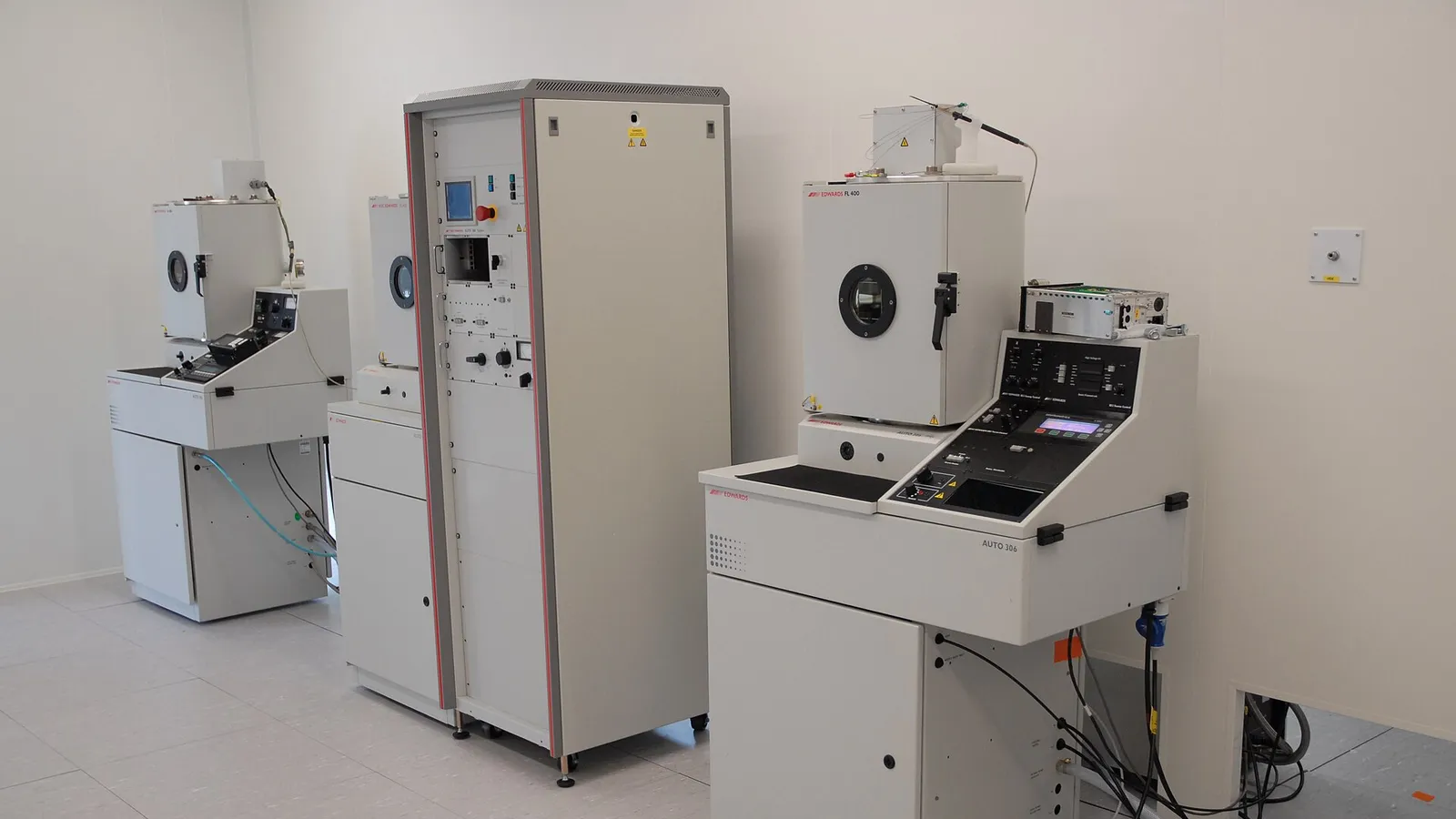
Matching the Coating to the Failure Mode
Wear is the most common reason to specify PVD. If the part slides, rubs or cuts, the coating choice depends on the temperature at the contact: room-temperature sliding (bearings, lock components, mold slides) → CrN or DLC; high-temperature cutting (drills, inserts) → AlTiN; general wear resistance on molds and dies → TiN or CrN. Corrosion is the second driver: CrN and ZrN outperform TiN in salt and humidity exposure, which is why marine and automotive hardware goes CrN. Friction is the third: DLC cuts friction coefficients to 0.1 or below, at the cost of higher coating temperature requirements and more complex deposition.
Decorative PVD (the gold, rose gold, black, gunmetal and champagne finishes on watches, jewelry, electronics and bathroom hardware) is selected primarily by color standard — the buyer supplies a RAL or Pantone reference — but the functional layer underneath still matters: decorative TiN and ZrN are gold-family, CrN and carbon-based coatings give the dark grays and blacks, and the hardness still protects the part from scratches. A "black PVD" on a watch case is typically a carbon or CrN-based layer, not a dye.
Specifying the Coating: What to Write on the Drawing
The drawing should specify four things: the coating material (by name or composition), the thickness (typically 1-3 µm for decorative, 2-5 µm for functional), the hardness target (HV), and the color reference for decorative work. Adhesion is verified by scratch or Rockwell indentation tests; thickness by calotest (ball-crater) or XRF; corrosion by salt-spray hours when required. Surface preparation is the hidden cost: the base part must be polished or machined to the final finish before coating, because PVD adds color, not smoothness — a 0.8 µm machined surface stays a 0.8 µm surface under a 2 µm coating.
For a market reference, PVD coating services are routinely offered with precision machining and finishing programs, with typical lead times of 3-7 days for coating on prepared parts (. At MOLDITQUICK we coordinate the whole chain — CNC machining, polishing, coating, inspection — so the coating spec lands on parts that are ready for it.
If you are choosing a PVD material for a part, send us the application, the failure mode and the color target. We will recommend the coating system and quote the complete finishing chain. Contact us to start.
Batch consistency is the last spec to write: PVD is a batch process, and the coating color and thickness can vary between batches if the chamber parameters drift. The drawing or the PO should require a coated-sample reference per batch, with color checked against the approved standard and thickness verified by XRF or calotest on the production parts. For decorative work, the visual reference is the contract — keep the approved sample and require a match. For functional work, the thickness and hardness numbers are the contract, and the supplier's batch records are the evidence. Both are standard practice at serious coating shops, and both are worth putting in writing.

Need a quote? Contact us — upload your 3D file for a fast DFM review.
NEXT STEP
Ready to Start Your Project?
Send us your requirements — our team responds within 24 hours with pricing and lead time.
Written by
Ray ChanManufacturing Engineer · Custom Manufacturing Specialist. Ray helps global importers and integrators source factory-direct plastic parts and tooling.