
Zinc Plating vs Nickel Plating: Properties & Uses
Table of Contents
Zinc plating vs nickel plating is a surface-finish decision with real consequences for corrosion, cost and appearance — and the choice depends on the substrate, the environment and the part's function, not on preference. Both are electroplated metal coatings applied to steel parts, but they protect in different ways: zinc is a sacrificial coating that corrodes to protect the steel, while nickel is a barrier coating that isolates the steel from the environment. That single difference drives the entire selection.
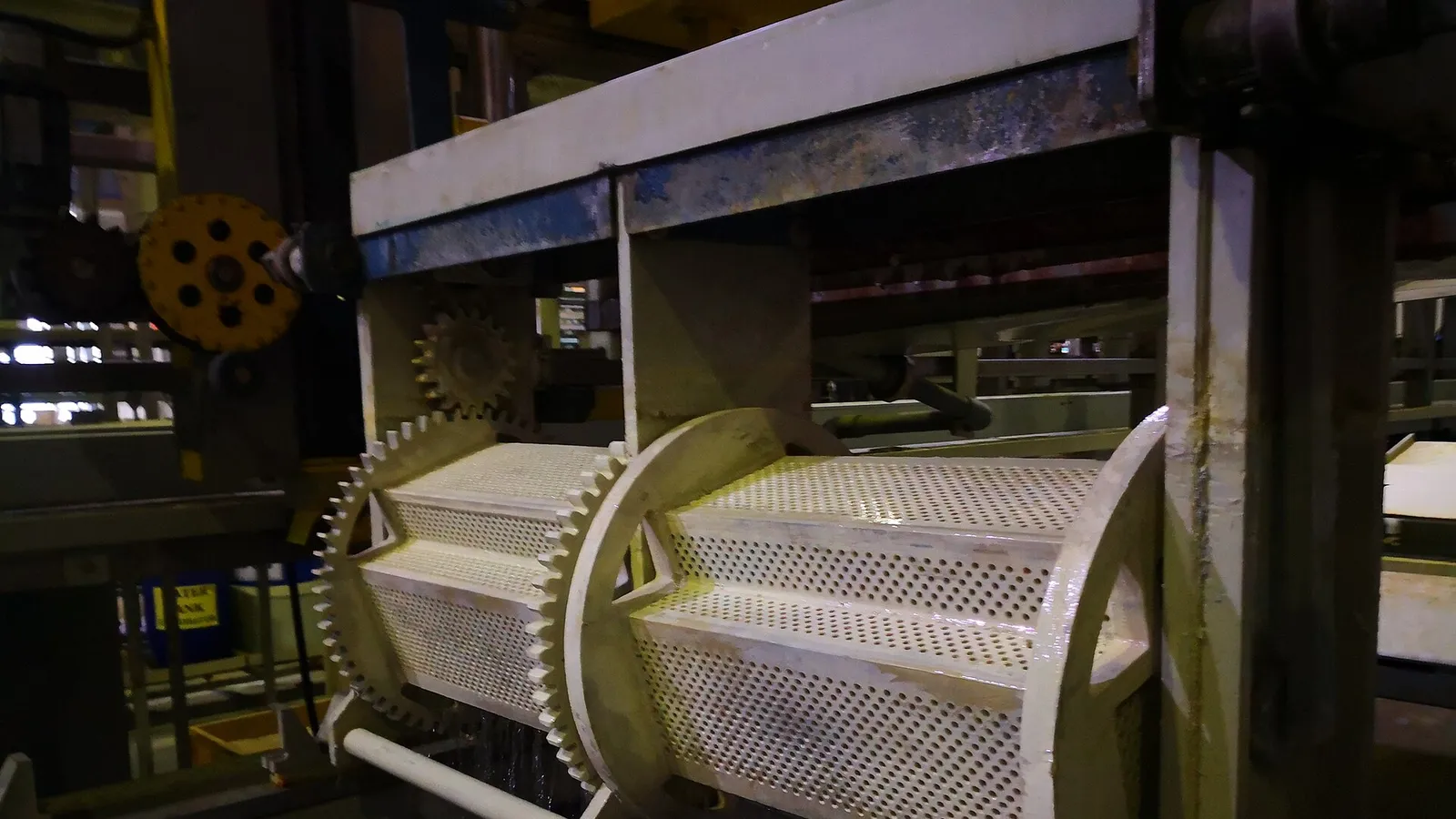
Zinc plating (galvanizing): the steel part is dipped in a zinc electrolyte and plated with a zinc layer of typically 5-15 µm, often followed by a chromate conversion (yellow, blue/clear or black) and a sealer. The zinc corrodes preferentially — sacrificing itself so the steel does not rust — which makes it the standard, economical corrosion protection for fasteners, brackets, chassis parts and hardware. Cost is low; appearance ranges from bright silver to yellow-green to black depending on the chromate. Performance is rated by salt-spray hours: clear chromate ~48-96 hours, yellow ~120-200 hours, black ~96-150 hours, with trivalent chromates meeting RoHS requirements.
Nickel Plating: Barrier Protection and the Decorative Standard
Nickel plating deposits a nickel layer (typically 10-30 µm) that seals the steel surface. It does not sacrifice itself — it protects by barrier, so the layer must be continuous and thick enough for the environment. Nickel is the base for the classic bright chrome look (nickel + chrome) on automotive trim, bathroom fixtures and appliance parts, and electroless nickel (a chemical, not electrical, deposition) adds uniform thickness on complex geometry and high hardness (~500-700 HV as-plated, up to 1,000+ HV heat-treated) — the engineering choice for wear surfaces, molds and precision components.
The comparison that matters: zinc wins on cost and sacrificial protection for steel parts in moderate environments; nickel wins on hardness, uniformity (electroless), and as the decorative base. Zinc is not decorative by modern standards; nickel-chrome is the classic bright finish. Zinc on aluminum is unusual (aluminum needs anodizing or a zincate-nickel process); nickel plates onto steel, aluminum (with pre-treatment), brass and copper. Neither is a drop-in for the other.
Making the Choice: Environment, Substrate and Cost
The selection logic: steel fastener or bracket in a moderate environment → yellow zinc (best cost-performance); marine or high-salt environment → zinc with thicker deposit and topcoat, or zinc-nickel alloy (5-15% nickel in the zinc, 500-1,000+ salt-spray hours); wear surface or precision component → electroless nickel; decorative bright finish → nickel + chrome; RoHS requirement → trivalent (hex-free) chromates on the zinc, or nickel finishes.
Specify on the drawing: the coating (zinc per ASTM B633 or ISO 4042; nickel per ASTM B689 / AMS 2404 for electroless), the thickness class, the chromate color, and the salt-spray requirement. Salt-spray hours (ASTM B117) are the honest way to compare suppliers — a supplier quoting "zinc plated" without a salt-spray spec is quoting a guess. For market context, finishing services routinely offer zinc, nickel and chrome plating with salt-spray testing as standard (.
At MOLDITQUICK we coordinate plating with CNC machining and stamping programs — parts arrive at the plater cleaned and ready, and the salt-spray results are part of the shipment records. If you are choosing between zinc and nickel — or specifying the finish class — send us the part and the environment. We will recommend the coating and quote the complete chain. Contact us to start.
One more practical note on the supply chain: plating is a batch process that requires good fixtures and clean parts, and the plater's quality depends on their pre-treatment line as much as their electrolyte. Parts arriving with machining oil, coolant residue or handling contamination will plate unevenly regardless of the coating spec. The reliable workflow is to specify the plating on the part drawing, deliver the parts cleaned, and require the salt-spray and thickness certificates with the shipment. When the plating, the machining and the inspection are coordinated under one program — as they are at our facility — the handoff risk disappears, and the certificate reflects the part you actually shipped.

Need a quote? Contact us — upload your 3D file for a fast DFM review.
NEXT STEP
Ready to Start Your Project?
Send us your requirements — our team responds within 24 hours with pricing and lead time.
Written by
Ray ChanManufacturing Engineer · Custom Manufacturing Specialist. Ray helps global importers and integrators source factory-direct plastic parts and tooling.