
Overmolding Supplier: Bonding That Does Not Delaminate
Table of Contents
An overmolding supplier lives or dies on bond strength. Overmolding is the process of molding a second material — usually a soft TPE or TPU — over a previously molded or machined substrate, and the difference between a grip that lasts five years and one that peels in three months is entirely in the bond. Getting that bond right requires material chemistry, surface preparation and process control working together, and most suppliers only do one of the three.
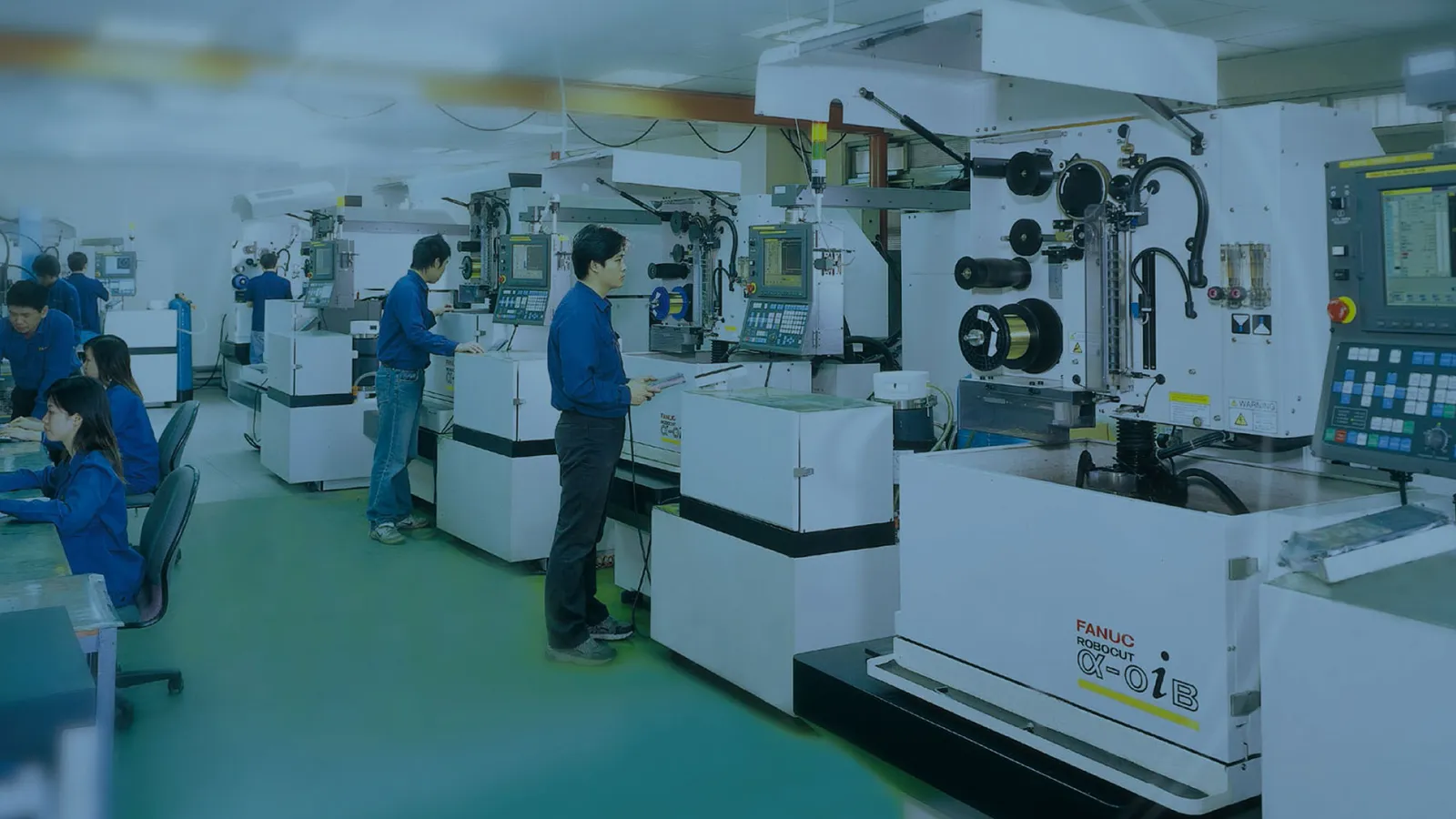
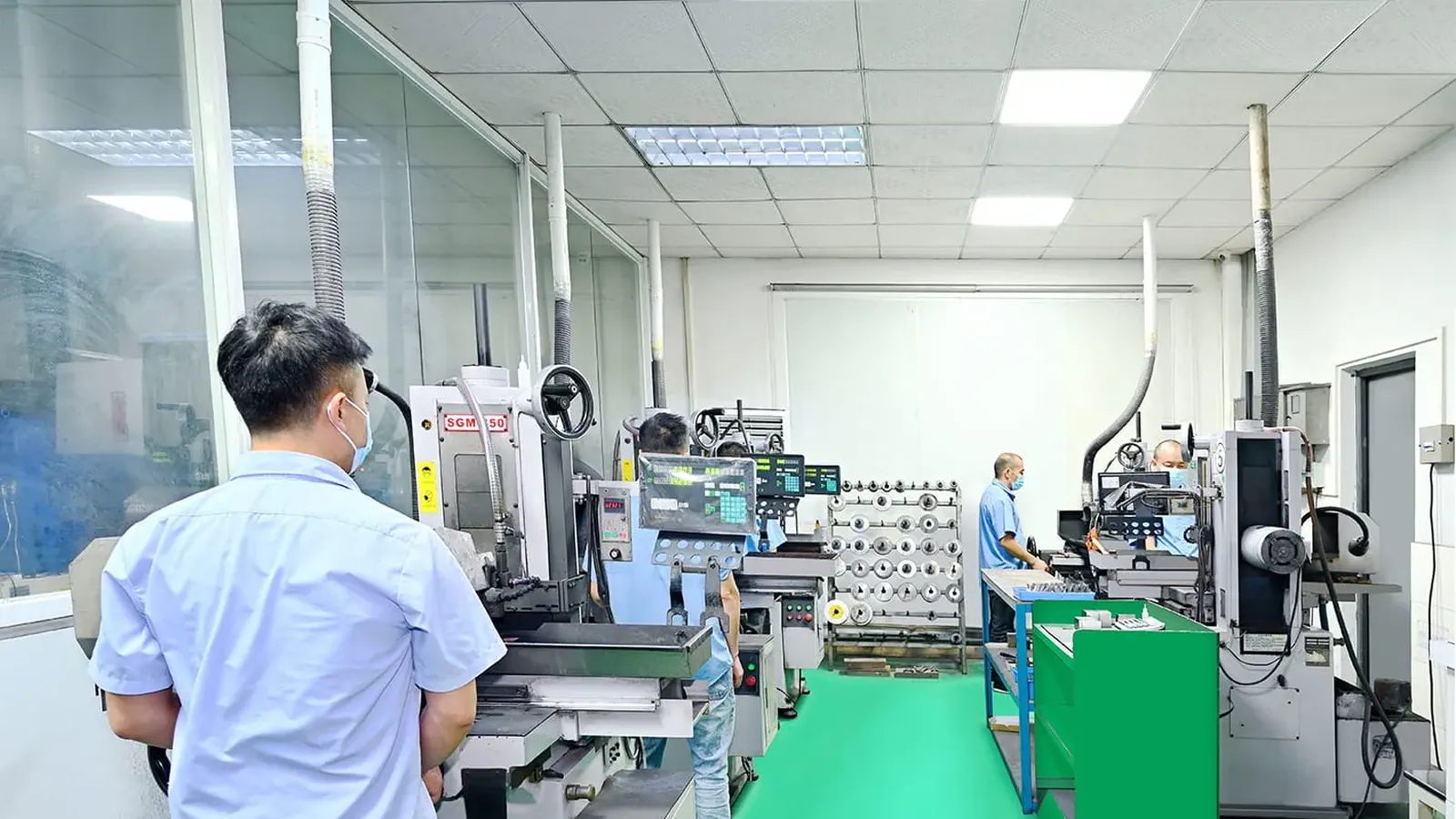
MOLDITQUICK provides overmolding for power tools, medical devices, automotive interiors and consumer products. We pair TPE/TPU/LSR overmolding with our injection molding and CNC machining lines, so the substrate and the overmold are handled by one accountable team. The facility runs presses from 30T to 260T under ISO 9001 and IATF 16949.
Chemical Bonding vs Mechanical Interlock
There are two ways a TPE stays on a plastic substrate. Chemical bonding happens when the TPE and the substrate are compatible — TPE-on-PP and TPU-on-ABS/PC are the classic pairs — and the substrate surface temperature during the second shot must stay above the TPE melt temperature for the polymer chains to weld together. If the tool runs cold, you get a weak interfacial bond that passes a quick pull test and fails in the field. Mechanical interlock is the fallback for incompatible pairs: the design must include undercuts, through-holes or a roughened texture that the TPE physically wraps around.
We verify the bond two ways. First, a peel test on representative samples from every validation lot — we peel the TPE layer and look for substrate tearing, which is the sign of a true chemical bond. Second, we check the failure mode: a clean interface peel is a process problem; cohesive failure inside the TPE means the bond is stronger than the material, which is the pass condition. The test standard should be agreed with the customer before tooling, not discovered at PPAP.
Process Windows and Common Failures
Overmolding fails in predictable ways. Cold substrate surface from a slow cycle = weak bond. Contaminated substrate from handling or mold release = delamination at the exact contaminated spots. TPE injected too fast = burn marks or short shot in the thin grip area. Insufficient venting = trapped air at the knit line that looks like a bubble under the skin. Our process engineers set the second-shot profile from the melt-flow analysis, verify it on the trial run, and lock it with process monitoring on the machine — the closed-loop machine controls hold the profile shot to shot.
For substrate parts that are CNC-machined rather than molded (common for low-volume tool overmolds), the surface finish matters: machined surfaces over ~3.2 µm Ra can reduce bond strength, so we specify the right finish in the print and check it before overmolding. Our overmolding guide covers pairing tables and design geometry in more depth.
Prototype overmold runs ship in 7-12 days; production runs in 25-30 days, from our 10,000 m² facility with 280 employees. If your overmolded grip or seal is peeling, or you are choosing a supplier for a new program, send us the parts and the test requirement — we will run a bond verification before you commit to tooling. Contact us to start.
The tooling side of overmolding deserves attention too: the second-shot tool must register on the substrate with real precision, because the TPE layer position is what the customer sees and touches. We use hardened locating features in the tool and, where the tolerance demands it, automatic loading of the substrate into the overmold tool — the same automation discipline as insert molding. The overmold tool is typically a two-stage design: the substrate tool and the overmold tool must be designed together so the substrate's shrinkage is accounted for before the second shot is cut. That is a design conversation that happens before tooling, not during trials.
Need a quote? Contact us — upload your 3D file for a fast DFM review.
NEXT STEP
Ready to Start Your Project?
Send us your requirements — our team responds within 24 hours with pricing and lead time.
Written by
Ray ChanManufacturing Engineer · Custom Manufacturing Specialist. Ray helps global importers and integrators source factory-direct plastic parts and tooling.