
Rapid Manufacturing for Metal Prototypes
Table of Contents
Rapid metal manufacturing is the umbrella term for getting functional metal parts in days instead of weeks: CNC machining from bar stock, sheet-metal fabrication, die casting with rapid tooling, and metal 3D printing. Each process has a speed and a cost profile, and choosing correctly is the difference between a $200 part in three days and a $40 part in three weeks. For prototypes and bridge volumes, the process decision matters more than the supplier choice.
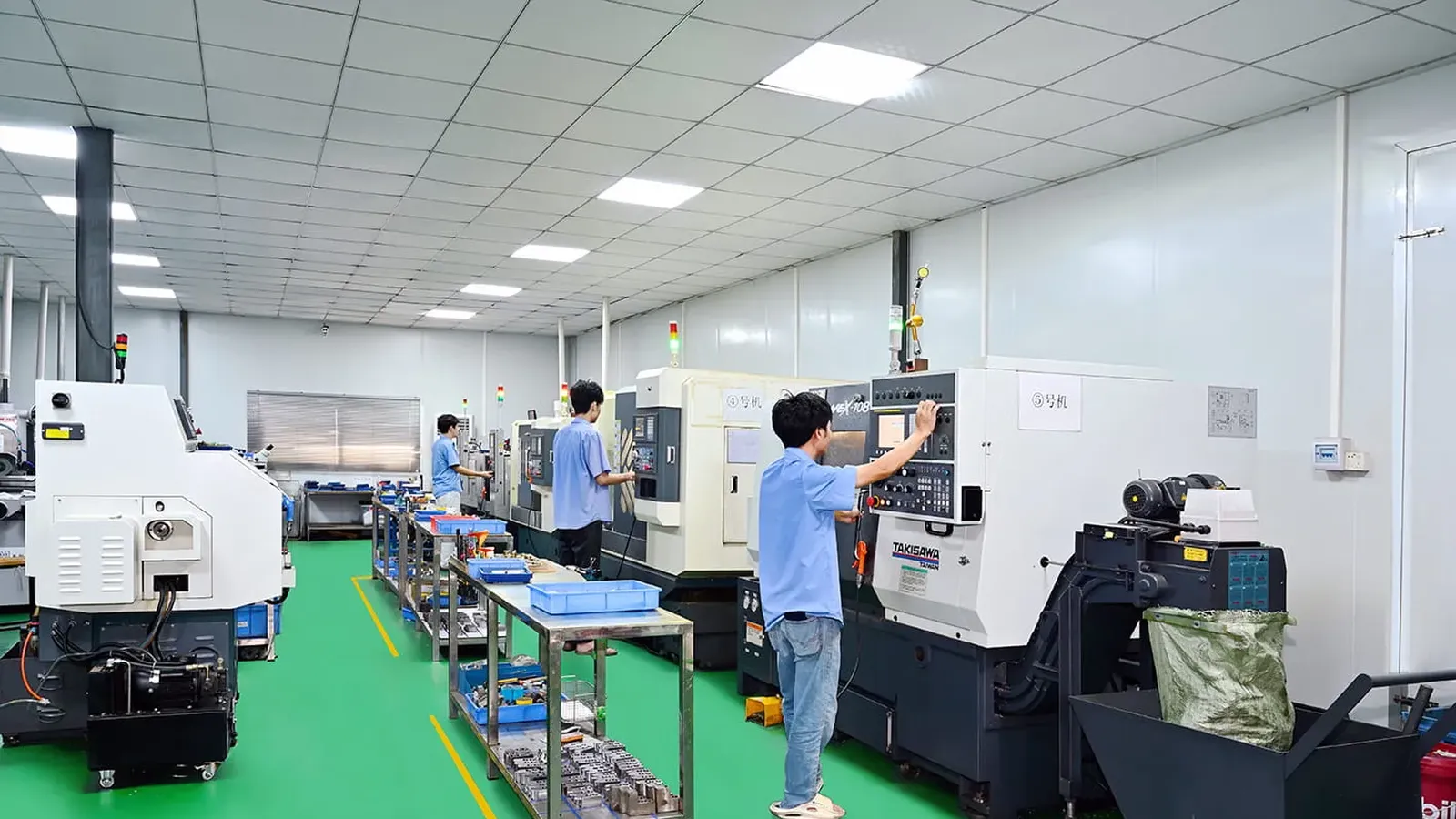
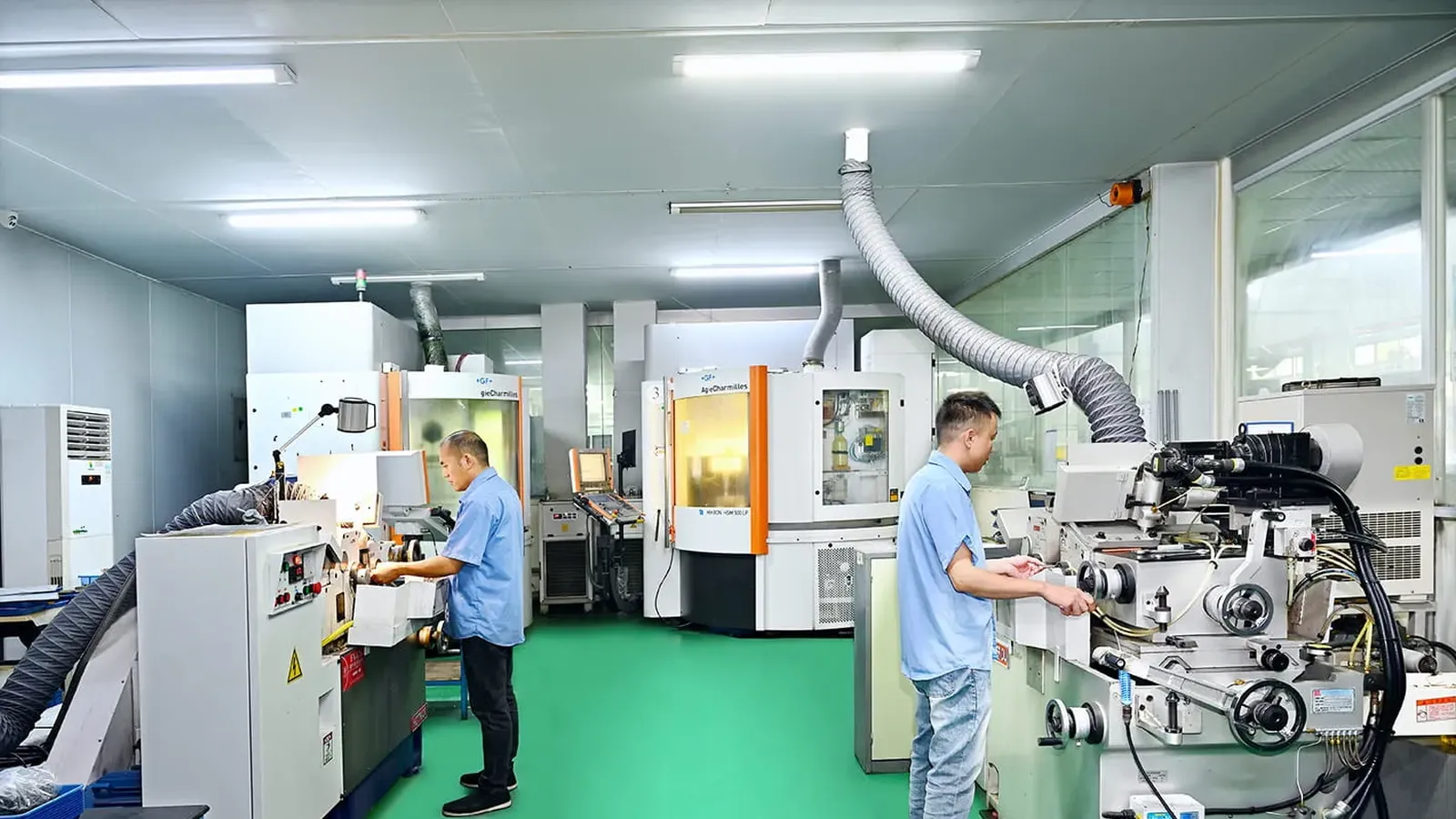
At MOLDITQUICK, rapid metal parts run on the CNC machining line — 3-axis and 5-axis mills holding ±0.005 mm — plus sheet-metal and die casting capabilities, with wire EDM for precision details and fixturing. A machined aluminum prototype of typical size ships in 3-7 days; a die-cast run with rapid tooling quotes in 7-12 days for low volume.
CNC vs Metal 3D Printing vs Die Casting: The Rapid Trio
CNC machining is the workhorse of rapid metal: any aluminum, steel, stainless, brass, titanium or engineering plastic, full dimensional control, surface finishes to Ra 0.8 µm, and no minimum quantity. The limits: geometry constrained by tool access (internal features need smaller tools, deep slots need long reach), and cost scales with machining time — a complex part with 4 hours of machining costs more than a simple part with 30 minutes. When the design is still changing, CNC wins because there is no tooling at all.
Metal 3D printing (LPBF) wins when geometry cannot be machined: internal cooling channels, lattice structures, organic shapes, consolidated assemblies. It loses on cost and surface finish — printed parts need CNC finishing on critical faces anyway, and the powder, argon and post-processing add up. The honest rule: print the geometry you cannot machine, machine everything else. Die casting with rapid tooling wins when the volume justifies tooling — roughly 100+ parts — and the design is frozen, because the per-part cost drops by an order of magnitude versus machining.
Sheet-metal parts that need ultra-high-strength steel take a different route again: hot stamping forms the part at around 900 C in a cooled die, which is why the tooling cost and cycle look nothing like a cold-forming line.
What Rapid Metal Programs Actually Cost
Machined prototypes: a typical aluminum bracket (50×50×10 mm, a few features) costs tens of dollars in 3-5 days; complex 5-axis parts with tight tolerances cost more and need 5-7 days. Die-cast runs with aluminum rapid tooling: tooling in the low thousands of dollars, parts at a few dollars each at 500-2,000 pieces, delivered in 7-12 days. Metal printing: comparable to complex machining for small parts, but with a geometry premium — and always followed by support removal, heat treatment and often CNC finishing. As a market reference, full-service rapid manufacturing providers quote machined and printed metal parts with lead times of 3-15 days depending on complexity (.
The practical workflow we recommend: start with CNC prototypes while the design moves, freeze the critical dimensions, then move to rapid-tooled die casting or molding once the volume math supports it. Our rapid prototyping vs production guide models the crossover with worked numbers.
If you need metal parts fast, send us the model, the quantity and the required material — we will quote the fastest honest path and the cheaper path, and let you choose. Contact us to start.
The finishing step is the part of rapid metal that buyers most often forget to price. Machined parts need deburring, surface finish specification and often anodizing or plating; printed parts need support removal, heat treatment and usually machining of the critical faces; die-cast parts need trimming, tumbling and pressure testing where sealing matters. The quoted "part price" that excludes finishing is not the part price — it is the blank price. At MOLDITQUICK we quote the finished part, with the finishing chain specified on the drawing and the inspection report attached to the shipment, so the number you approve is the number you pay.
Need a quote? Contact us — upload your 3D file for a fast DFM review.
NEXT STEP
Ready to Start Your Project?
Send us your requirements — our team responds within 24 hours with pricing and lead time.
Written by
Ray ChanManufacturing Engineer · Custom Manufacturing Specialist. Ray helps global importers and integrators source factory-direct plastic parts and tooling.